Besides Tokyo what else did we really enjoy and you might want to think of adding to your “to do” list? Here are Japan tour highlights in other cities, vacation tips we really recommend and what we’d like to do on our next trip there! Coming up next week, the ultimate foodie tour of Tokyo. And in case you missed Part 1, insights and general travel tips in Japan, click here.
Japan Tour Highlights:
Nikko
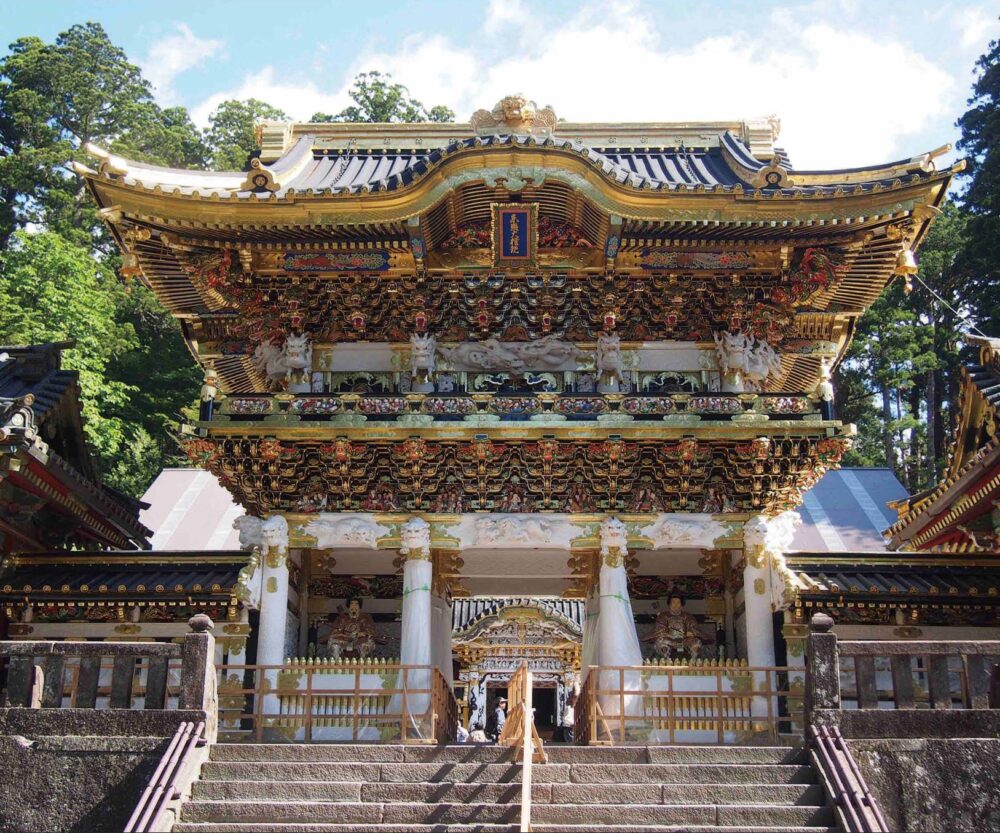
Under a two hour train ride from Tokyo past miles and miles of rice paddies and farms cultivating prized strawberries is Nikko. It’s the home of UNESCO World Heritage Sites, magnificent Shinto shrines and Buddhist temples, every inch decorated with exquisite craftsmanship.
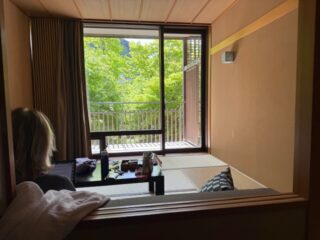
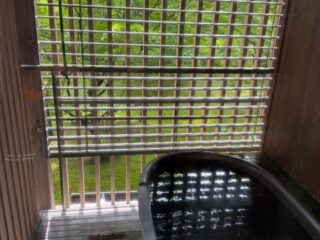
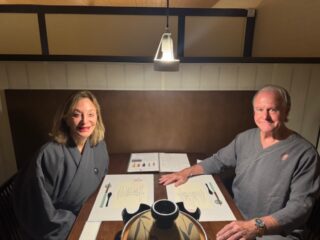
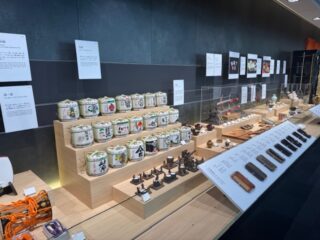
We spent an overnight at a traditional ryokan, a traditional Japanese inn, offering a unique and immersive cultural experience. Known for their emphasis on hospitality, they most often feature tatami-matted rooms, yukata robes (look like martial arts attire), futon beds, and onsen (hot spring baths). Ryokans also highlight local cuisine, often including kaiseki meals (multi-course dinners) and dishes you’d seldom if ever find in a Japanese restaurant in the US. We stayed at the Kai Kinugawa and had our own private in-room onsen bath, went to meals dressed in the yukata robe, enjoyed the communal bath and the tranquility, which was a welcome “chill out” after our “dynamic” itinerary. Afterwards we did a sake tasting at an eight generation family brewery.
Odawara
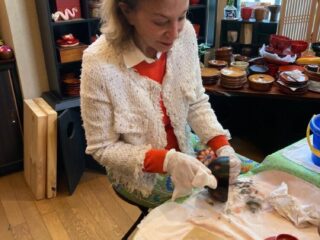
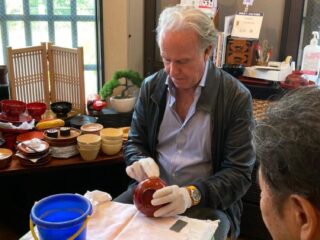
If you watched any of the samurai movies you won’t want to miss Odawara castle, an impregnable castle owned by the Hojo clan, the samurai family who governed the Kanto region for about a century from the end of 15th century. There’s also a samurai museum that features incredible armor and helmuts and a service that will dress you up like a samurai for your social media! Make it a day and do an interactive lacquerware workshop (they’ll ship your bowls home) .

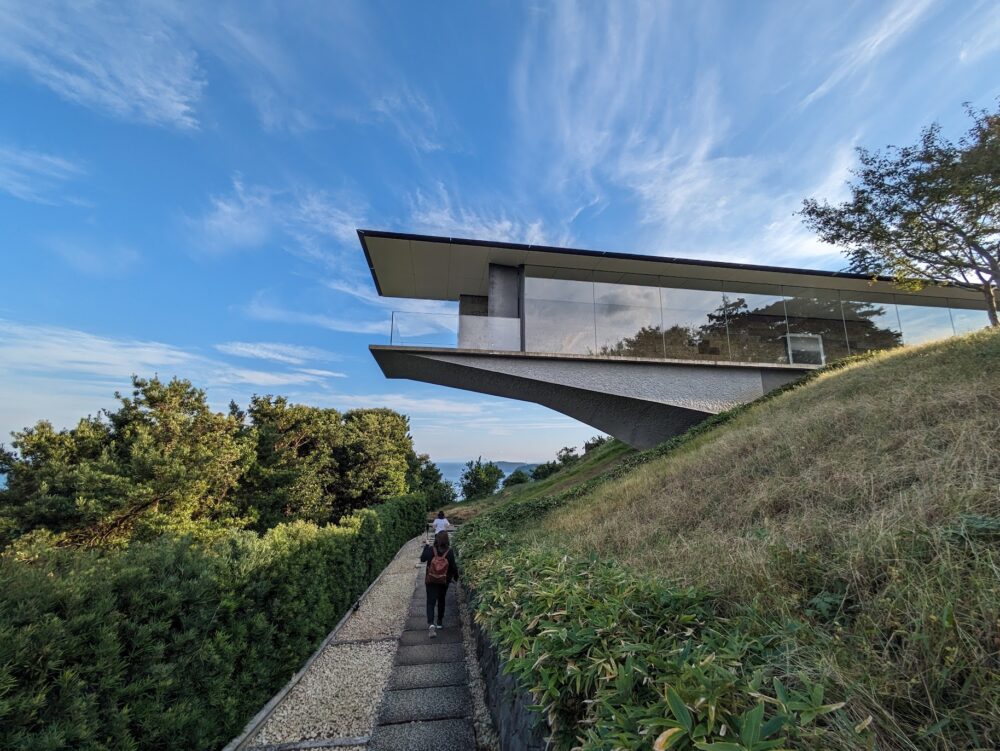
Whatever you do, pay a visit to the Enoura Observatory and Odawara Arts Foundation, spearheaded by internationally renowned artist Hirohito Sugimoto. Set in a hillside with lush bamboo and pine forests, the air fragrant with jasmine, orange and lemon trees, it’s a dramatic complex of traditional Japanese structures – tea house, shrine, art gallery, optical glass stage and café. Meander through paths of bamboo forests and gardens punctuated with magnificent stones and stone objects dating from 250 AD to the present. Have the best lemonade ever made with their own lemons and get a bar of the orange soap which takes 50 days to make!
Kyoto
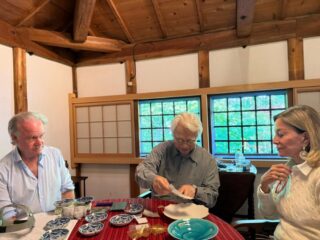
I can’t imagine a city anywhere that is equaled in the number and quality of crafts (74 different ones in total as we saw at theKyoto Museum of Crafts and Design) – lacquerware, textiles, kintsugi, games as art, baskets, kimono making, flower arranging and those are just the leading ones. And better yet, there are opportunities to try your hand at some of them in private craft workshops (see below), which we did and loved it. Plus, the pieces you make, they ship home for you at a reasonable cost.
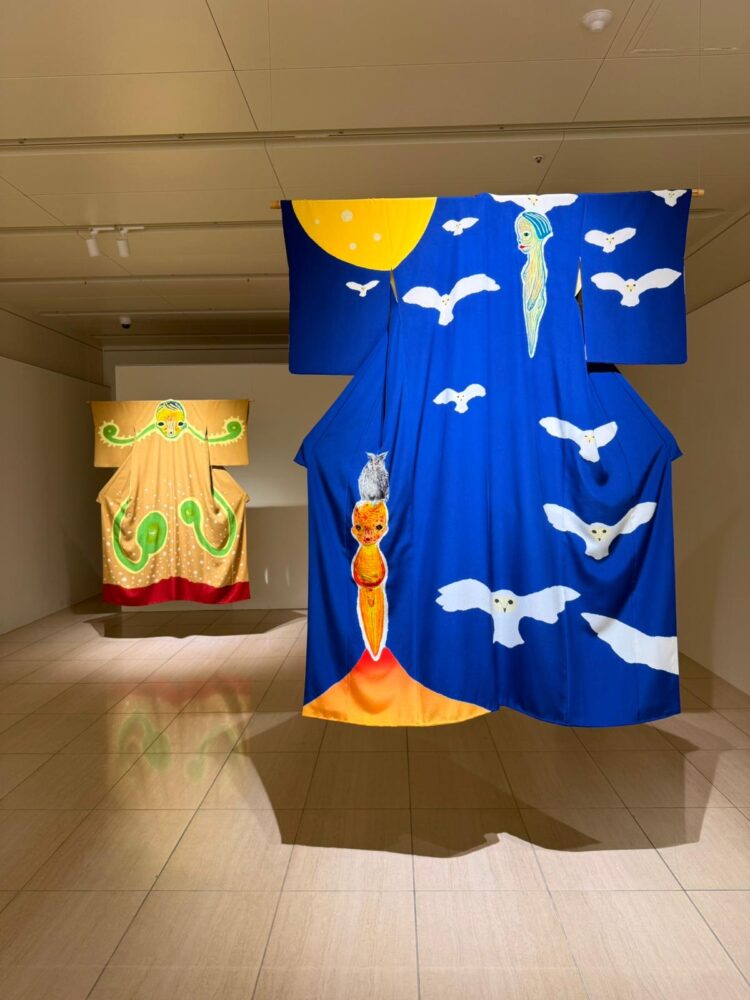
Be sure to make a visit to CHISO, the ultimate in design and workmanship for kimonos. They also have a gallery, their own line of handsome handbags, and sell silk scarves and a select and elegant collection of fine jewelry.
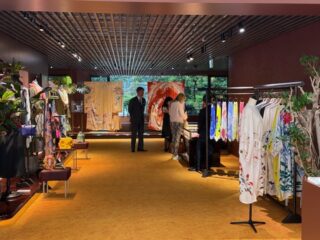

Another top place, this for lacquerware, is Zohiko. I splurged on some incredible sake cups that were museum quality. The gallery has its museum pieces such as calligraphy boxes that are several centuries old in a gallery upstairs that one can see by appointment only
Another top spot in Kyoto is Sanjusangendo, the popular name for Rengeo-in, a temple in eastern Kyoto which is famous for its 1001 statues of Kannon, the goddess of mercy. The temple was founded in 1164 and rebuilt a century later after the original structure had been destroyed in a fire.
Measuring 120 meters, the temple hall is Japan’s longest wooden structure. The name Sanjusangendo (literally “33 intervals”) derives from the number of intervals between the building’s support columns, a traditional method of measuring the size of a building. In the center of the main hall sits a large, wooden statue of a 1000-armed Kannon (Senju Kannon) that is flanked on each side by 500 statues of human sized 1000-armed Kannon standing in ten rows. Together they make for an awesome sight and reminded me of the terracotta warriors in Xian.
More Japan Tour Highlights
Takamatsu
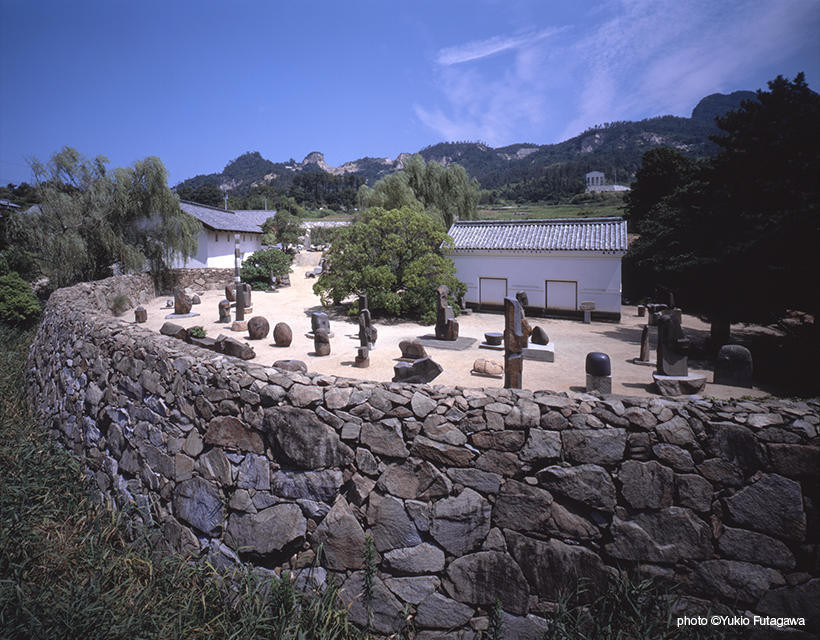
At this city, the things to do are a visit to George Nakashima Memorial Museum which houses the furniture of this world famous wood craftsman and documents his life. Another highlight is a visit to the sculpture garden, atelier and home of the renowned Isamu Noguchi. We were delighted to see that within his studio there prominently sits a smaller scale accurate model of Miami’s own Noguchi sculpture which graces our bayfront park!
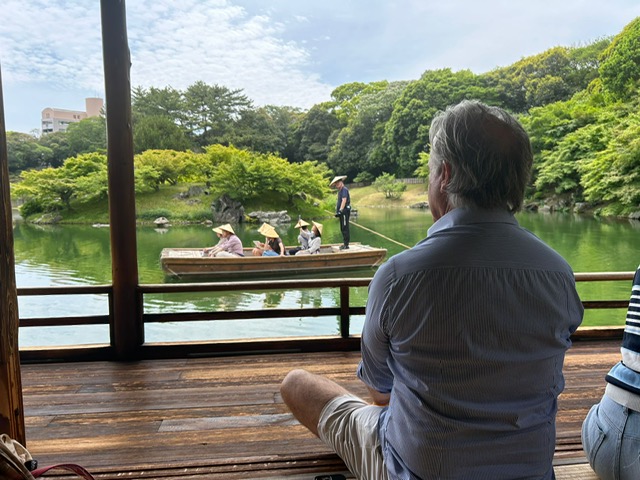
Ritsurin gardens are also special, for their centuries old trees, teahouse where you can actually enjoy tea, and have a boat ride, your eyes feasting on the exquisite koi fish.As we toured around and visited some of Japan’s twelve famed gardens, I couldn’t help thinking what a wonderful choice this would be for garden lovers, especially not only during the well known cherry blossom season but also, in the fall when the ubiquitous maple trees turn a fiery red.
Osaka
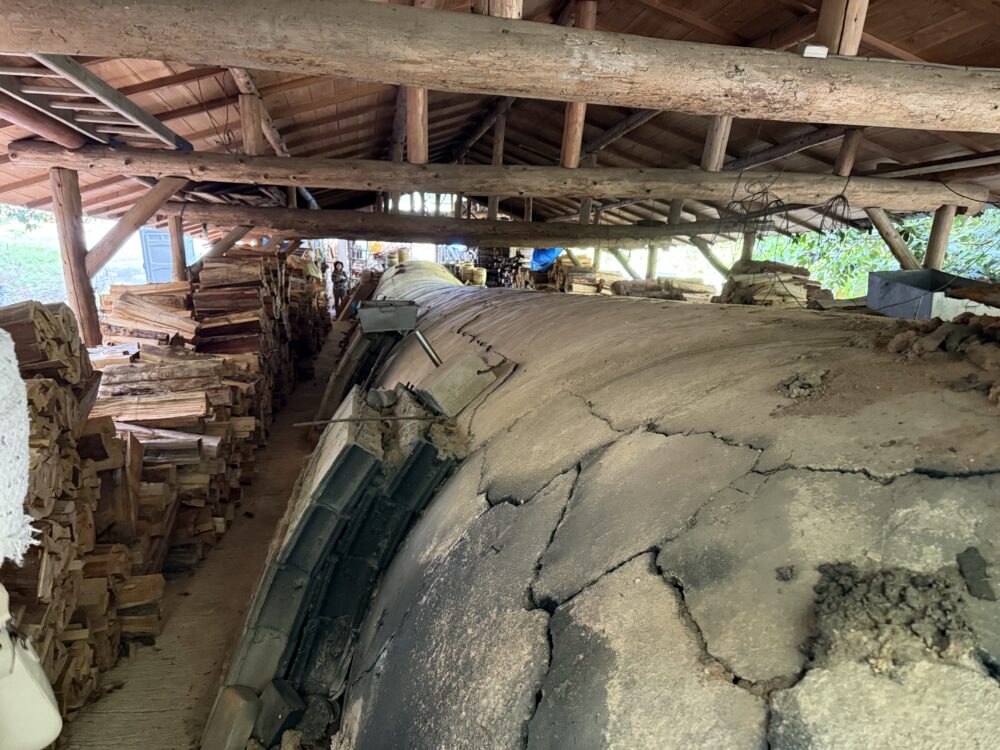
Rounding out the Japan tour highlights –Final stop was Japan’s number two city. Enroute, we stopped at the Bizen ceramics village, home to 400 potters, and had a visit with leading ceramicist Hiroyuki Matsui and saw the entire process made in traditional wood fired kilns: no glazes, only the variety of local woods and straw along with the placement relative to the fire creating an exquisite variety of natural patinas on the local fired clay. Go off the beaten trail and have another memorable experience where you literally make your own knives with a master. We went to Tower Knives in Sakai city, a village of 40 workshops, each making top of the line knives (and some swords).
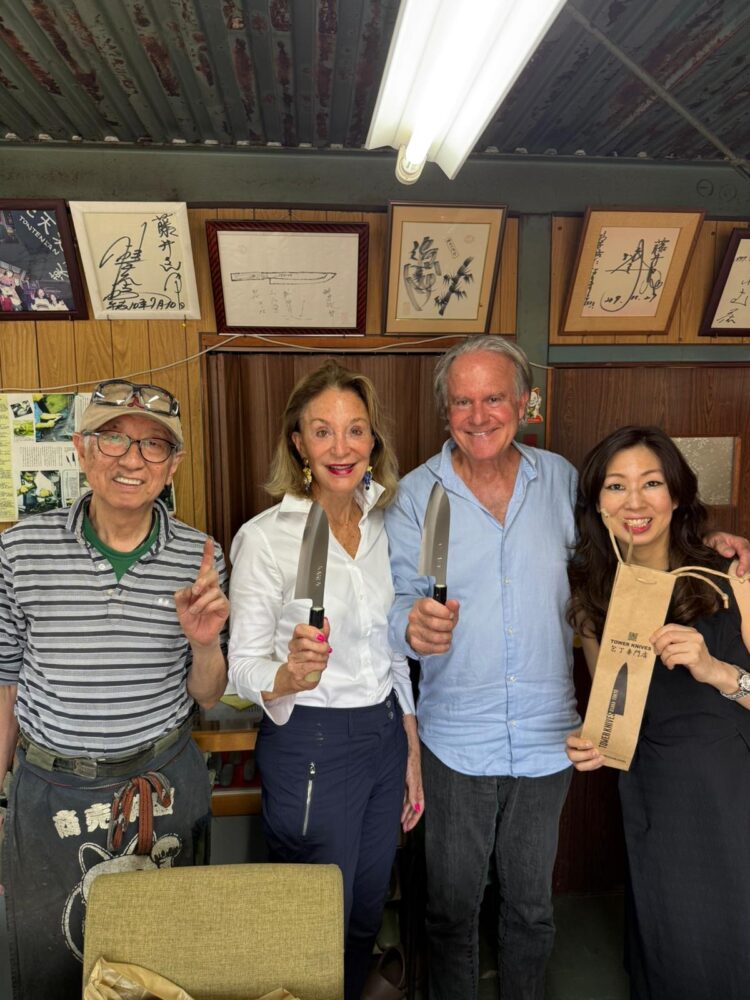
We left Japan already plotting our return, talking about what we’d like to do next time — a beauty day using Japanese products; visit to Hiroshima; Benesse Art Site Naoshima spread out over three islands (and just featured in the New York Times ); a several day stay in a hot springs at a Ryokan ; more museum visits; another Culinary Backstreets tour; ” hanging out” exploring drugstores and electronics shops; and for sure, enjoying more culinary experiences.