
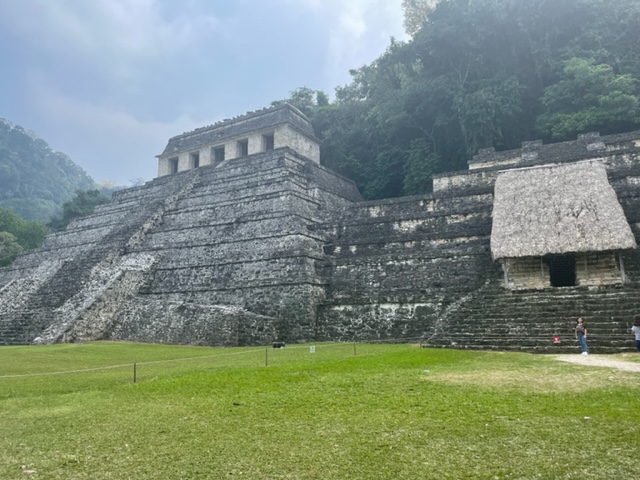
Finally, after wanting to go to the state of Chiapas in southeastern Mexico bordering Guatemala and Belize for many years. Mr. W and I headed there recently. I’d always heard from well traveled friends about its authenticity, diverse and beautiful natural settings and soft adventure, important archaeological ruins, no fewer than ten indigenous cultures with their rich tradition of crafts for shopping, and great value for the dollar. And after a week, that’s what we found and then some. Here are things to do in Chiapas, Mexico, Part 1. Click here for Part 2 where to stay.
Chiapas is well known for neighboring Palenque, the largest of all the Mayan ruins in area and Bonampek for its well preserved colorful temple inscriptions. These towns were the departure point for the Mayans who later inhabited Tulum and Quintana Roo, site of the Riviera Maya among other popular beach towns.
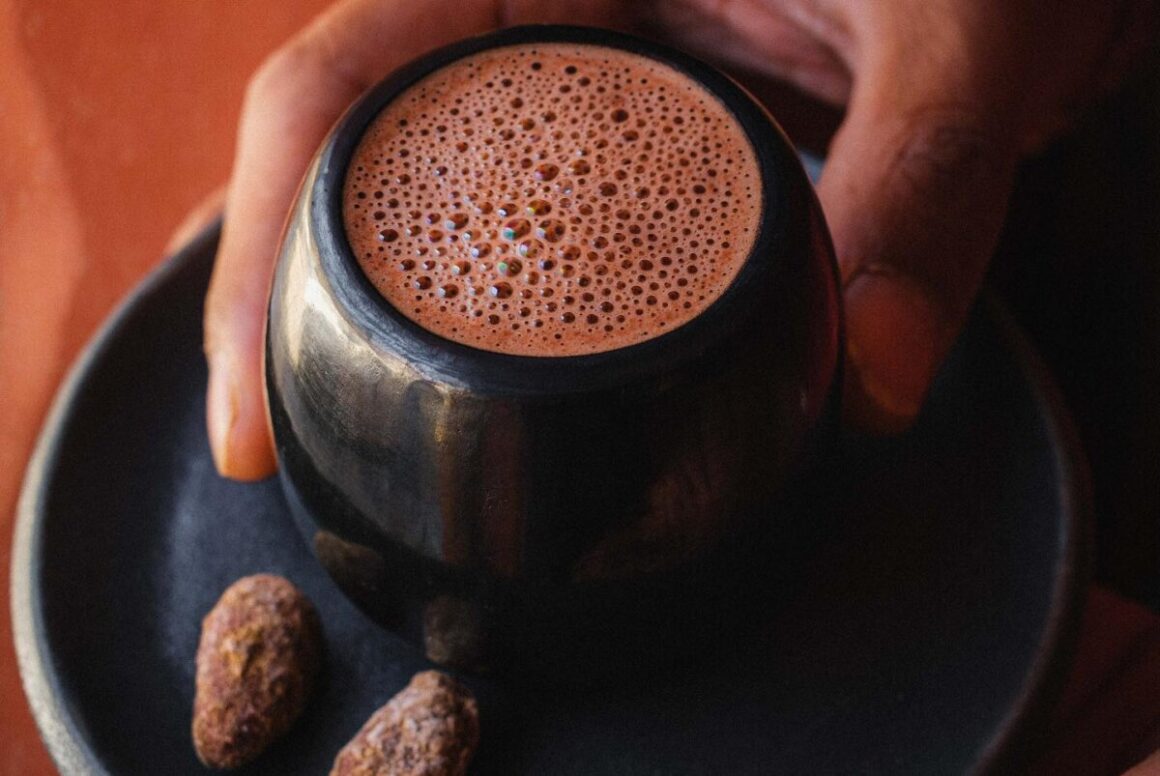
The area is also known for its exceptional organic coffee and chocolate, the latter prized as the currency of the Mayas in ancient times. Soon Chiapas will be on the map in a larger way, as the southernmost stop on the planned Mayan Train, 932 miles in all and connecting the states of Yucatan, Quintana Roo (Cancun, Riviera Maya), Campeche, Chiapas, and Tabasco.
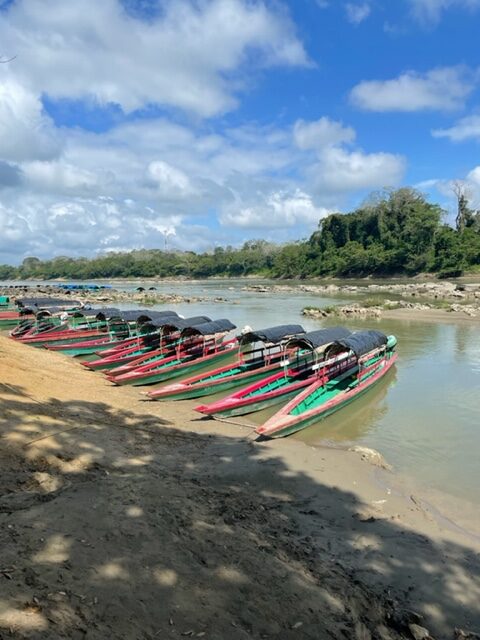
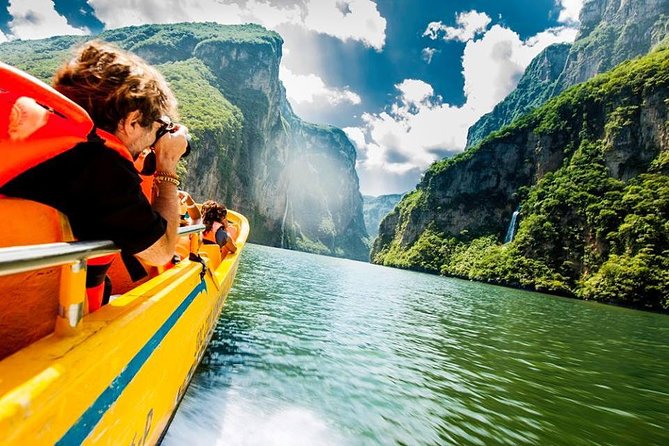
Chiapas is a top pick for outdoor activities and communing with nature. Bird lovers come from all over the world to see some of the 400 different species in the eco reserve near yet another archaeological site you’ll reach by boat, Yaxchilan, that hugs the 620 mile river marking the border of Mexico and Guatemala. The area offers jungle hiking, rafting, mountain biking, kayaking, canoeing and rappelling. The scenery is eye popping – lush tree studded jungles and mountains, waterfalls, lakes, and dramatic Sumidero Canyon.
Our base for exploration was San Cristobal de las Casas, a Spanish Colonial city of 185,000, surrounded by mountains with an elevation of over 7000 feet . We spent our days exploring the center of town which is built around the zocalo, or main square and park, with its colorful Spanish colonial buildings and churches that look like they’re decorated like a cake.
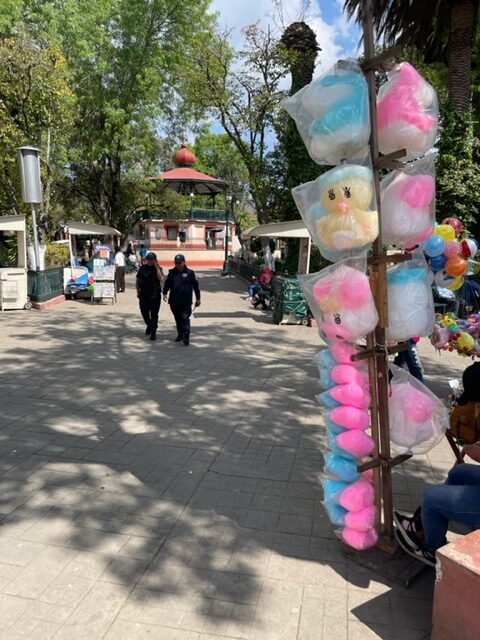
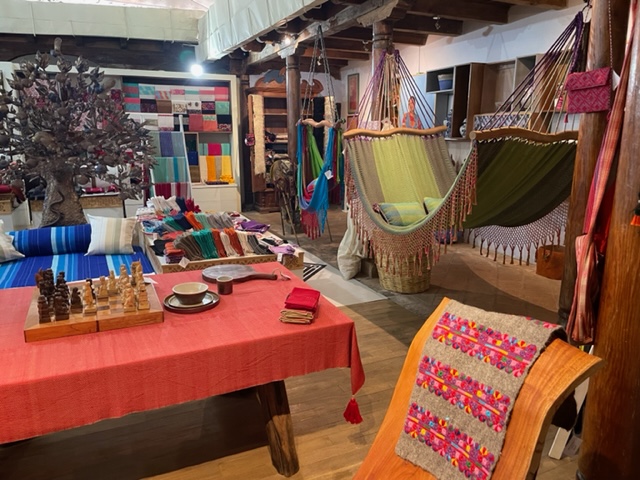
Pedestrian only streets are full of small hotels, restaurants and shops with garden courtyards, furnished with hand made wooden furniture, terracotta pots and textiles, and always, ubiquitous greenery.
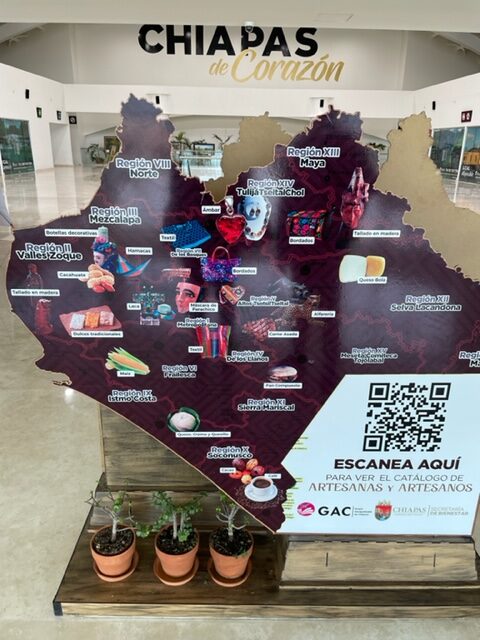
Artisanal shops proffer handmade jewelry and toys and embroidered fashion with riotous colors –woven handbags, items for home decor and even hand embroidered sneakers.
We made frequent stops along the way for a delicious local coffee and brownies or candy bars made from the organic regional chocolate. Like markets? Between San Cristobal and its surrounding towns, find no fewer than a different market for every day of the week.
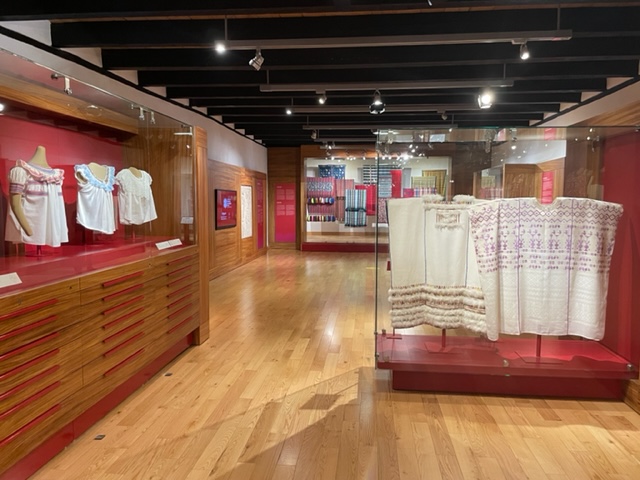
Other days were spent exploring the museum of textiles of Chiapas and Guatemala of which Chiapas used to be a part, and Na Blom with the history of the Maya peoples. If you go, a first stop should be a visit to Museo Jtatik where you’ll begin to understand the context of the struggles of the local indigenous peoples over the years and their advocate, Don Samuel Ruiz Garcia, bishop emeritus of San Cristobal de las Casas. Here find informative narratives (in Spanish) and historical images along with fascinating paintings, The Caste System, showing the mixing of the Spaniards, mestizos, blacks and indigenous peoples through marriage.
Other wonderful things to do in Chiapas, Mexico include tours to the towns of Zinacantan known for its floral patterned embroidery where I snagged a statement cape with fringes , and the town of San Pedro Chamula where we saw the black feathered skirts the Mayan women wear which could be from a European fashion designer.
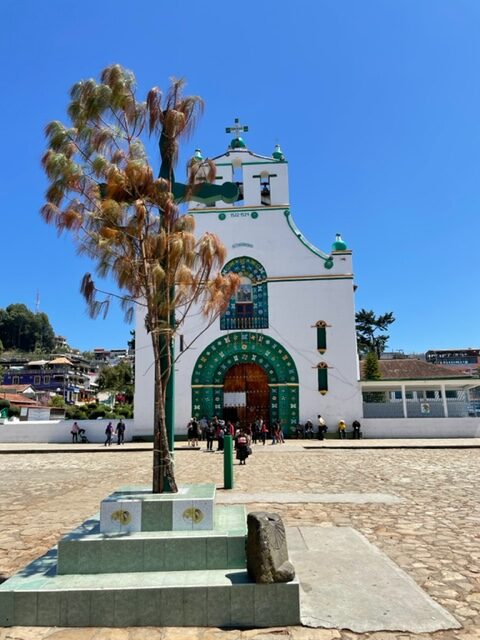
Of special note is the church of the town, unlike any other, and sure to be one of my most vivid travel memories and a highlight of things to do in Chiapas, Mexico. It’s a mixture of Catholic and indigenous religious traditions. Inside see rituals that involve Catholic saints, moonshine (Posh), and sometimes sacrifice of a chicken helped along by local shamans. Floors are carpeted with fresh pine needles that have a religious significance and with no pews. Walls are adorned with statues of saints and thousands of candles light up the interior night and day in an other worldly experience. (note: no picture taking was allowed so sadly, no image here)
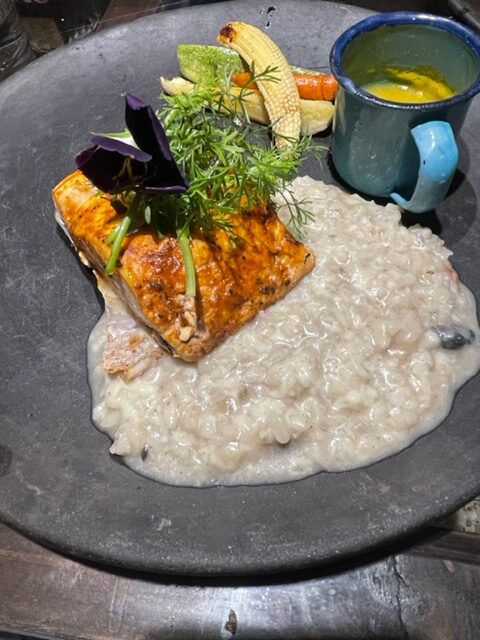
And then there’s the wonderful creative food made with farm to table ingredients, Mexican food that reflects its traditional roots and other menus infused with influences from the Europeans who came here to live and opened restaurants. That will be a separate post along with where to stay, an art hotel that is owned and was created by the leading antique dealer in Mexico with its own museum.
There’s also quite a casual and lively nightlife of cantinas, bars and restaurants with everything from Mexican pop, reggaeton and banda, to DJ fare, cumbia and salsa.
To get to San Cristobal de las Casas from Miami you need to fly first into Mexico City or Cancun, then transferring on another flight to Tuxtla Gutierrez airport. If you want to include a visit to Palenque and Bolambek you’ll need to add an overnight or two in Palenque.
For more information from Mexico Government Tourism, click here.
Looking for other off the beaten path travel options in Mexico? Check out my experience in Merida.
My First International Getaway in Mexico: Merida







2 Responses
Hi Karen,
Sounds like my perfect destination…
Karen it sounds so wonderful! Thank you!!!
Julian Asion