

By Jan Engoren
I was blown away when I got the email announcing the variety and novelty of the classes and workshops offered this fall at Morikami Museum and Japanese Gardens. We’re talking everything from Japanese fabric dyeing, bonsai, paper cutting, and fabric wrapping to Ikebana, black ink drawing, music lessons, growing plants in a moss-covered ball of soil and much more. Plus, Japanese language classes as well. Activities run through December, 2022. And even if you’re not interested in the classes, it’s well worth a visit to enjoy the gardens, a great shop and cafe.-Karen
Note: Photos by Austen Waldron
Classes:
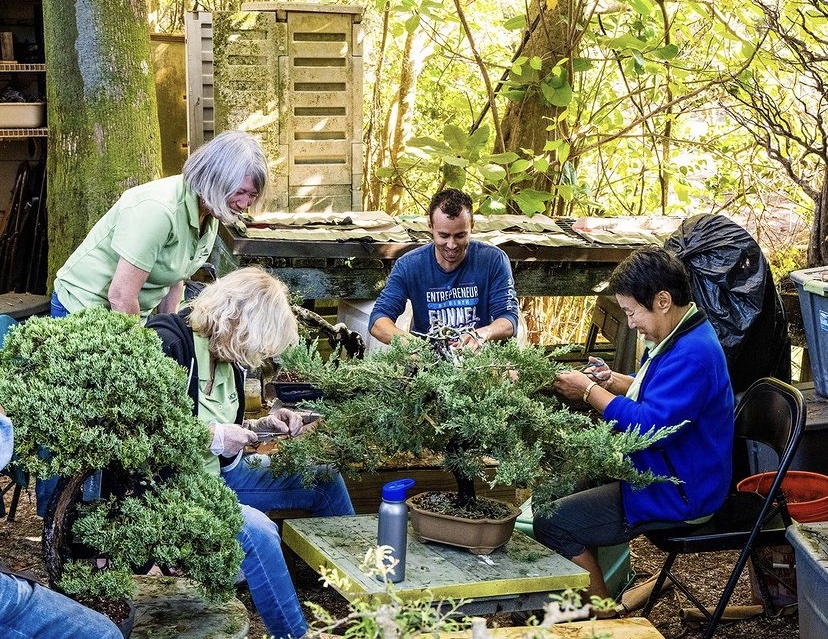
The Art of Bonsai – “A Tree in a Tray”
A tradition which originated in 6th century China, the art of bonsai creates the illusion of age and maturity of a tree which has developed and sustained the effects of nature for many years. Students learn to artfully trim and train a tree in a container. Beginners and Intermediate classes available.

Sado – The Tea Ceremony
Learn the Japanese values of harmony, respect, purity and tranquility through the centuries-old and venerated tea ceremony, known as Sado. Perform the intricacies of the ceremony, with its ever-evolving seasonal subtleties in the Morikami’s authentic Seishin-an Tea House with instructor Yoshiko Hardick. The tea ceremony changes from month to month and from season to season – Aisatsu.
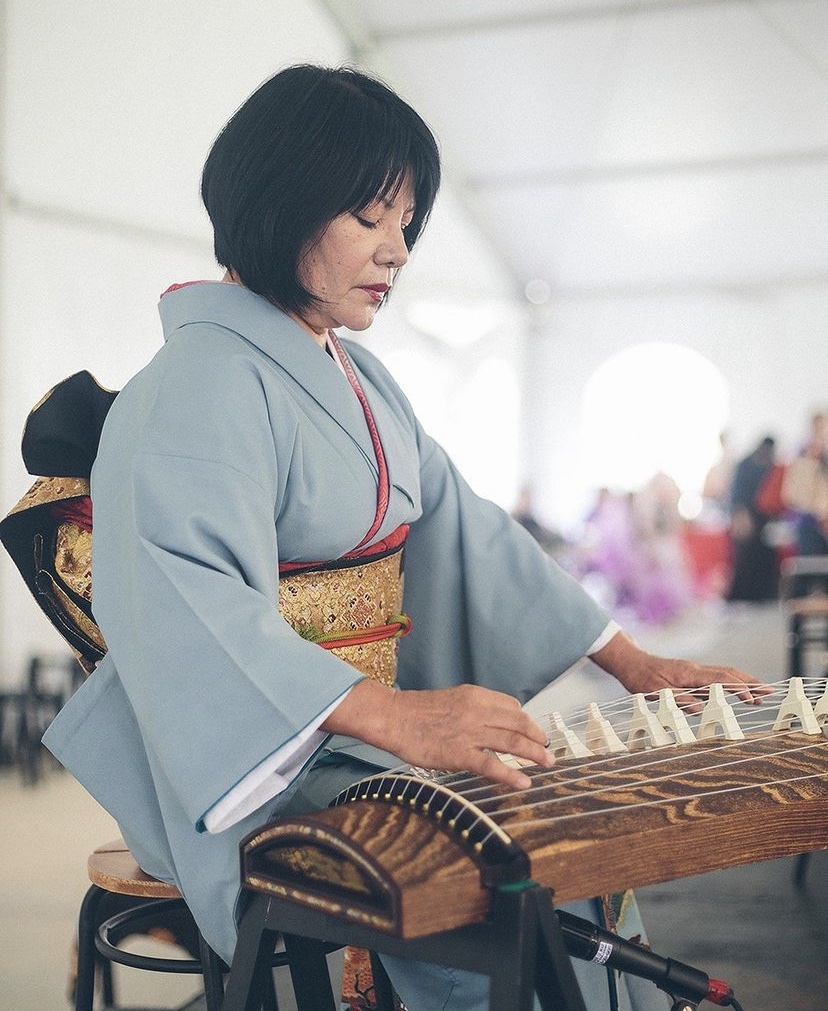
Koto
Koto – the national instrument of Japan – is a traditional Japanese stringed instrument, similar to a zither, first introduced to Japan from China in the 7th-8th centuries. Although not widely used in Western music, David Bowie used a koto in his instrumental piece “Moss Garden” on his 1977 album “Heroes.”
Learn the history, culture and techniques to play this instrument in this 5-week course. Instruments will be provided.
Ikebana Ikenobo
ikebana, the traditional Japanese art form of flower arranging, has various schools of study, each with unique philosophies and aesthetics. Dating back to the 15th century, the Ikenobo School is the oldest and most traditional. Students will learn basic principles and style of Ikenobo, creating fresh flower arrangements each week to take home and enjoy.
Ikebana Sogetsu
The Sogetsu School of Ikebana is a contemporary school which focuses on the creativity and individuality of ikebana. The idea is that ikebana can be done by anyone, anywhere, with almost anything. Students will learn the basics of Sogetsu and create pieces each week to bring home and enjoy.

Ink Painting
Sumi-E Floral
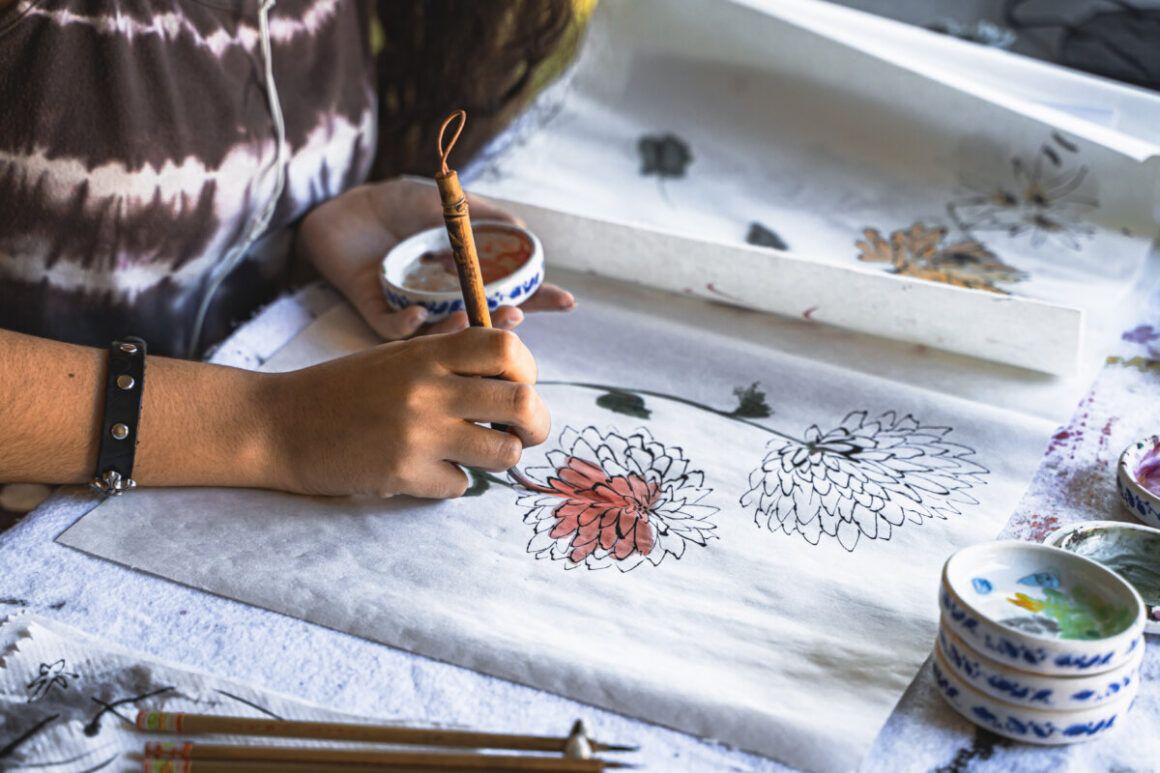
Sumi-e, (charcoal drawing) is a form of Japanese ink painting brought from China in the 12th century. Primarily done in black ink, students will grind their own ink using an ink stick and a grinding stone and learn to hold and utilize brushes to create the primary sumi-e brushstrokes. Floral and landscape classes will start with a review of the basic techniques before moving on to the main subject.
Sumi-E Landscape (Black Ink Painting)
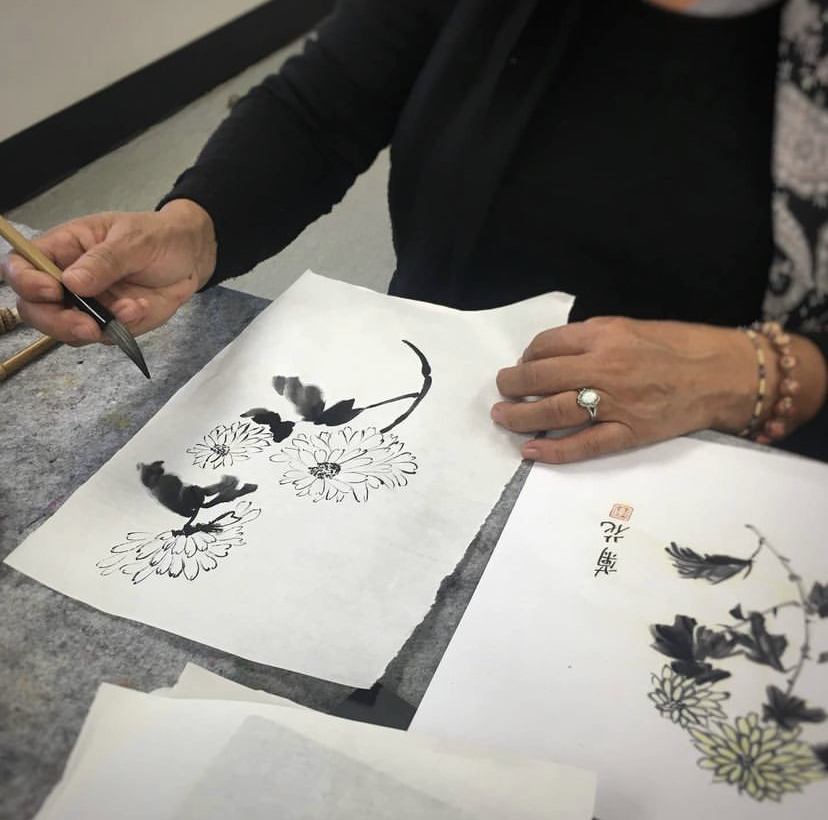
Try your hand (literally) at Japanese black ink painting.
Almost all great Japanese brush and ink artists focused on nature and creating landscapes. Inspired by Zen-Buddhist monks and the spirit of Buddhism and Taoism, the earliest monks focused their compositions on mountains and water (Sansui). Emphasis is placed on the beauty of each individual stroke of the brush.
Nihongo Language Class (Three Levels)
Ohayou gozai masu (Good Morning). Oo genki desu ka? (How are you?) Arigatou gozai mashi ta (Thank you).
These are just a few of the phrases you will learn in the Morikami Museum and Japanese Gardens language classes. Preliminary levels introduce basic survival Japanese, grammar, reading and hiragana writing (with 48 base characters). Topics include meeting people, shopping, and dining. Each level consists of three parts which should be taken sequentially.
Workshops at the Morikami Museum and Japanese Gardens:
Basics Of Sushi Workshop
Sushi has entered the American palate as a cultural influence from Japan. But do you know what sushi is? Few know that sushi is not actually raw fish, but rice made with a bit of vinegar and sugar. Served with a variety of accompaniments, cooked or raw fish and vegetables, it can take many forms. Led by sushi chef Mitsutoshi Sekita, participants will learn how to make sushi, and, of course, enjoy eating the results of your efforts.
Paper Cutting Workshop
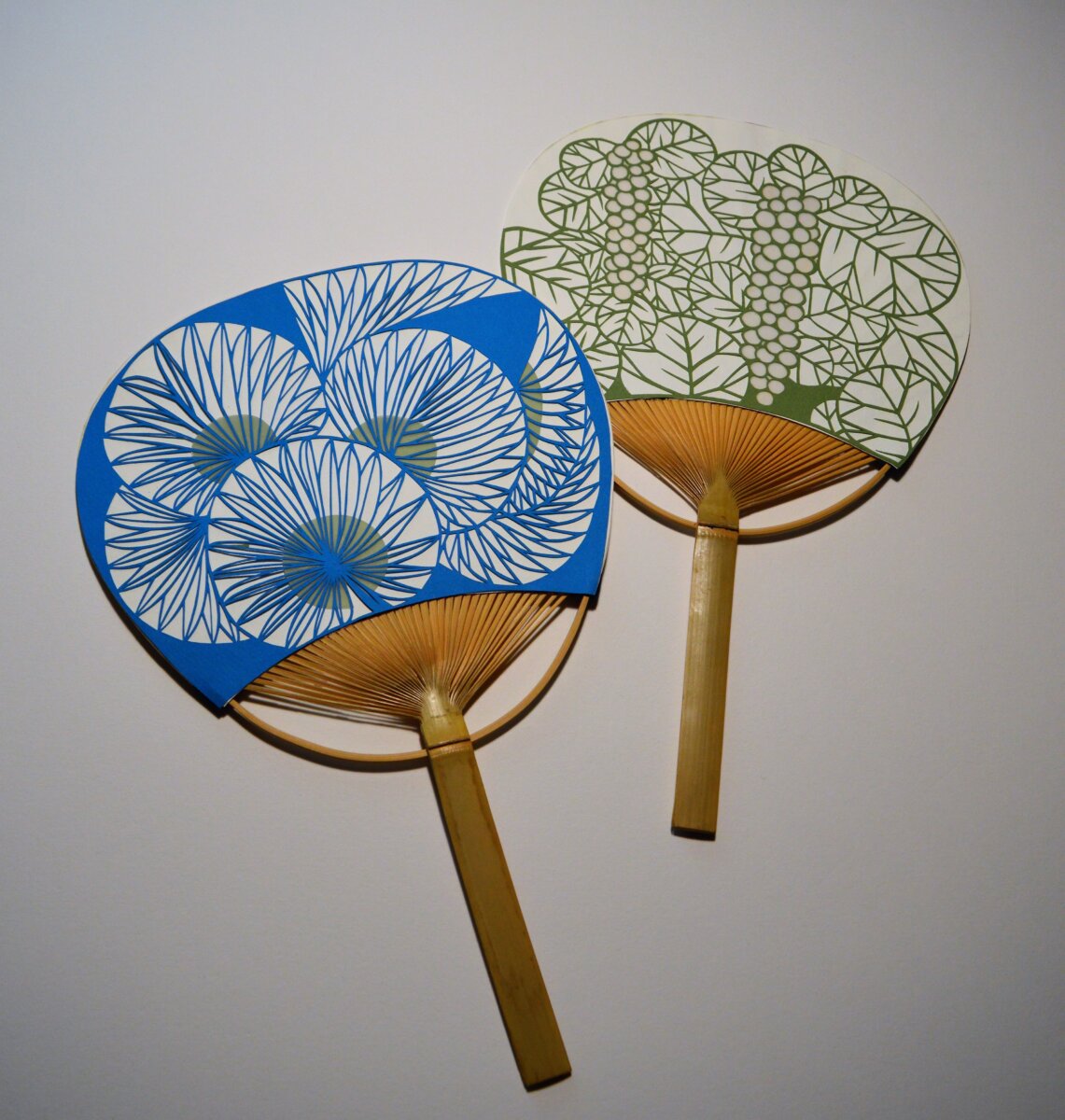
Guest Artist Workshop: Paper-cutting with Hiromi Moneyhun –
Join guest artist Hiromi Moneyhun to create a unique piece of kirie (paper cut) artwork or create a Florida-style Kyo Uchiwa paddle fan. For the holidays in December, participants will create a one-of-a-kind kirie holiday ornament for their home or to gift to someone special. Get introduced to Moneyhun’s intricate style of creating whimsical and bold artwork. Learn special cutting techniques and get the chance to create your own paper cut artwork to decorate your home.
Koto Workshop (See Koto Classes Above)
For a one-time introduction to the koto and its history and how to play it, enroll in a one-day introductory workshop. Instruments will be provided. To further your studies on the koto, sign-up for their koto class series.
Shibori Indigo Workshop
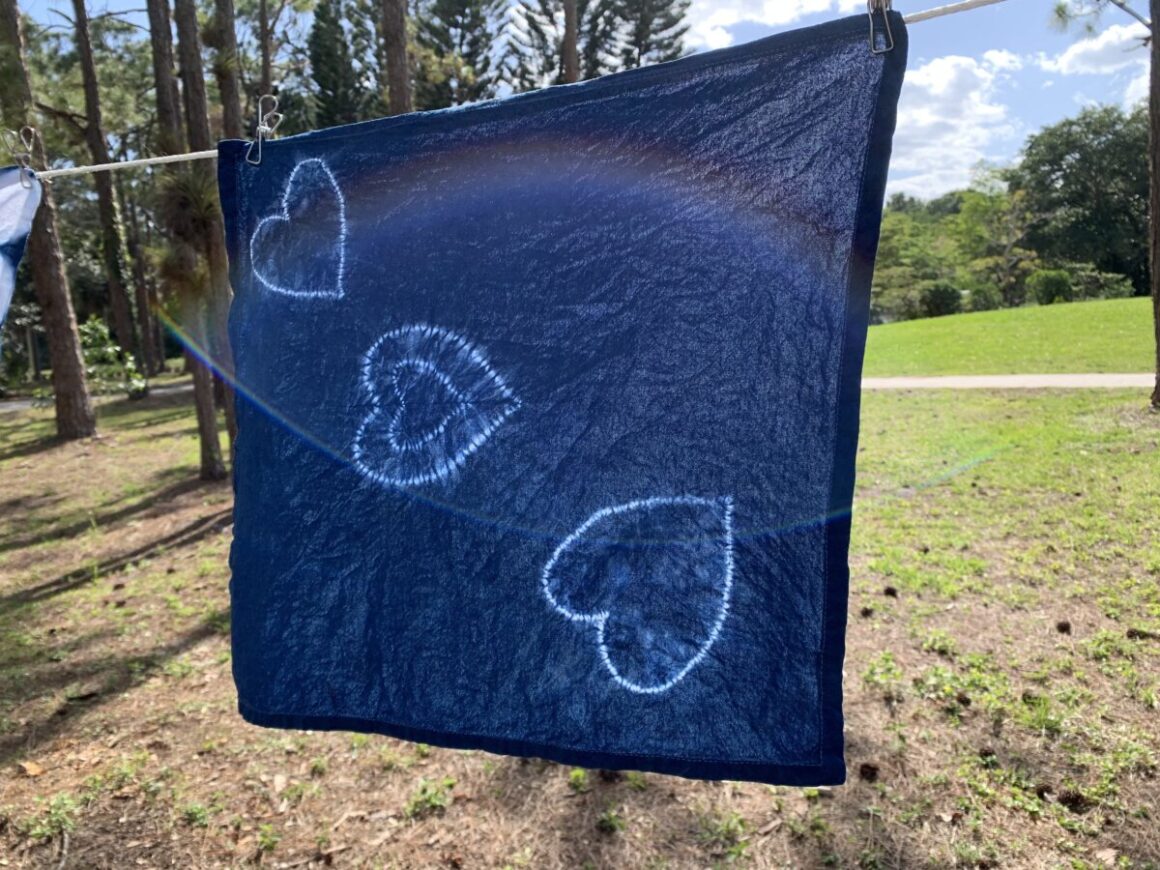
Shibori is a Japanese technique of manual resist dyeing used to make patterns on fabrics. The use of indigo dye, or aizome, has a long and cherished history in Japan. The deep blue colors for which Japanese textiles are celebrated come from the leaves of the tade ai, a plant introduced to Japan from China in the 6th century. Learn various shibori techniques and get a chance to make your own shibori creation.
Nihongo: Japanese Intensive Workshop I (See Nihongo Classes Above)
No time for an on-going commitment, but still want to dip your toe into conversational Japanese? Sign up for the intensive workshop at the Morikami Museum and Japanese Gardens. The Workshops are a fast-paced introductory series consisting of three separate 3-day sessions.
The full series can be taken as an alternative to the Nihongo: Introduction to Japanese Level I Class series. Students who complete all three workshops will be ready for Nihongo: Introduction to Japanese Level II Class the following season. This preliminary level introduces basic survival Japanese, grammar, and hiragana writing and reading. Topics include, but are not limited to, meeting people, shopping, and dining.
Sado: Tea Ceremony Workshop – Omotesenke School
This workshop teaches the basics of sadō – The Way of Tea – necessary to understand the aesthetics of sadō and to fully enjoy the tea ceremony. Participants become familiar with how to participate as a guest, how to make a bowl of tea and serve it.
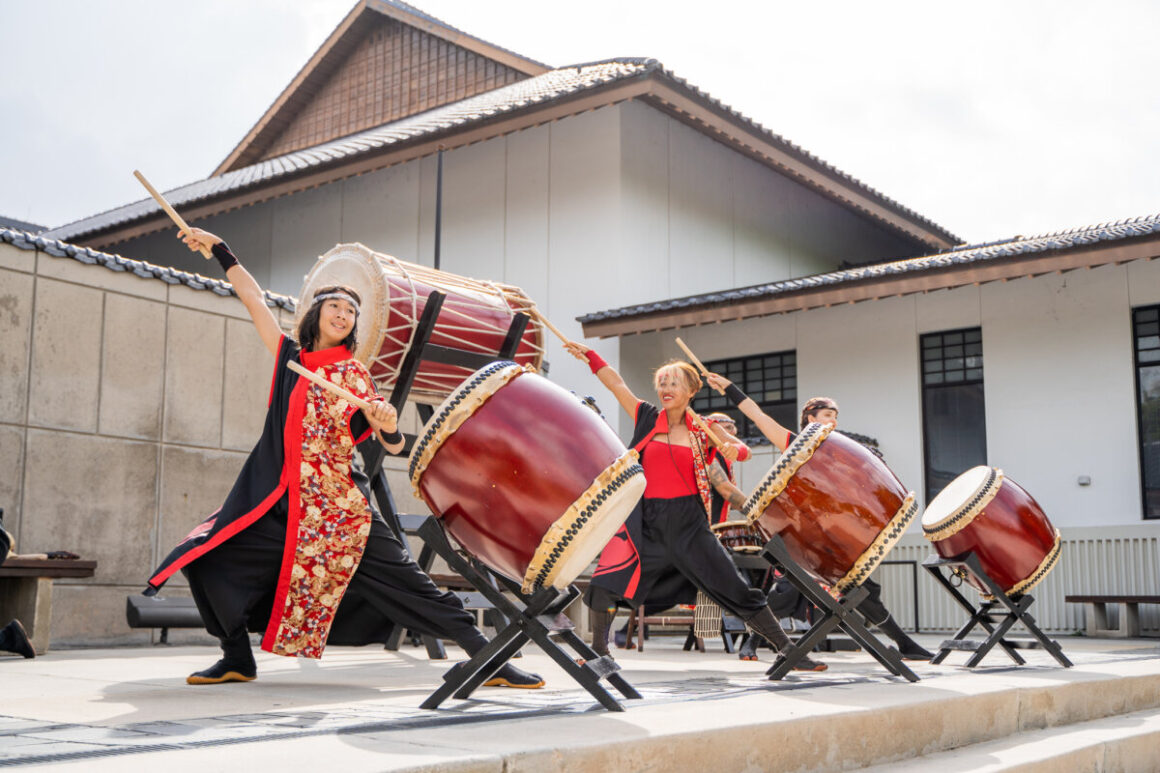
The Way Of Taiko: The Heartbeat Of Japan – Traditional Japanese Drum Workshop
This workshop includes an introduction to the history of taiko drumming. Participants will learn how to understand sounds and movements and how to connect nature and the meaning of body movement. You will become familiar with the way of taiko and drumming techniques. Instruments are provided.
The Art of Kokedama
Kokedama is the Japanese art of growing plants in a moss-covered ball of soil. The ball is wrapped with string and contains an ornamental plant growing inside. These beautiful and decorative plants bring an organic and natural touch to planting orchids, succulents and other ornamental plants. Learn the mechanics of how to make kokedama, creating two regular size and one small one to decorate your home or to give as a gift.
The Art of Japanese Gift Presentation Workshop
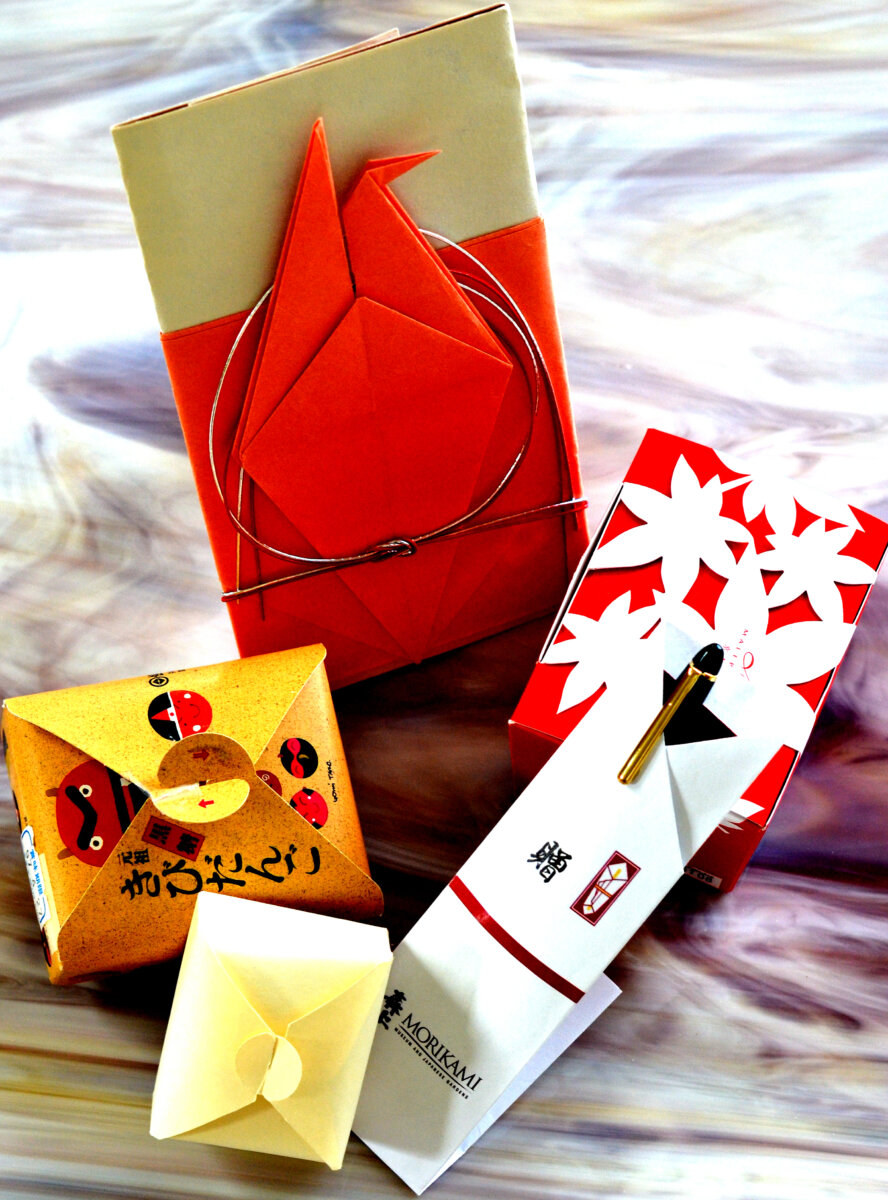
Learn the customs and art of Japanese gift presentation. Combining traditional with contemporary aesthetics, participants are introduced to the beauty of Japanese packaging and design, incorporating natural and unconventional materials. Learn to wrap with washi (Japanese traditional handmade paper), create uniquely designed boxes and other techniques to give your gift an Asian-inspired elegance. Workshop tools and materials will be provided.
Japanese Calligraphy Workshop for Beginners
Learn brush strokes using sumi (charcoal) ink and a brush to write Japanese characters. After practicing on paper you will create a final calligraphy piece on shikishi board to take home.
The Art Of Japanese Fabric Wrapping – Furoshiki Workshop
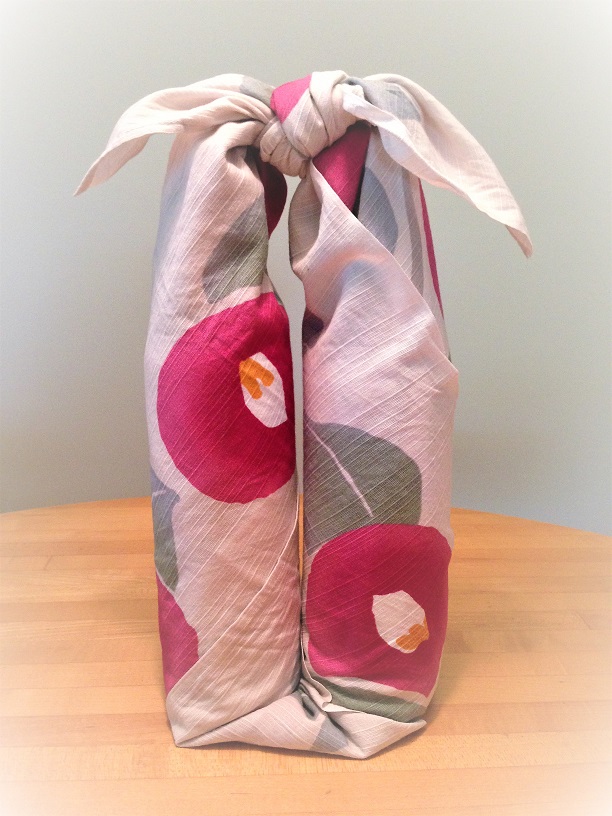
The Japanese have used furoshiki, a square reusable wrapping cloth, since the 16th century in a variety of ways to wrap differently sized and shaped objects. Learn how to wrap a wine bottle, a watermelon, books, and how to make a tote bag from a furoshiki.
Block Printing Workshop
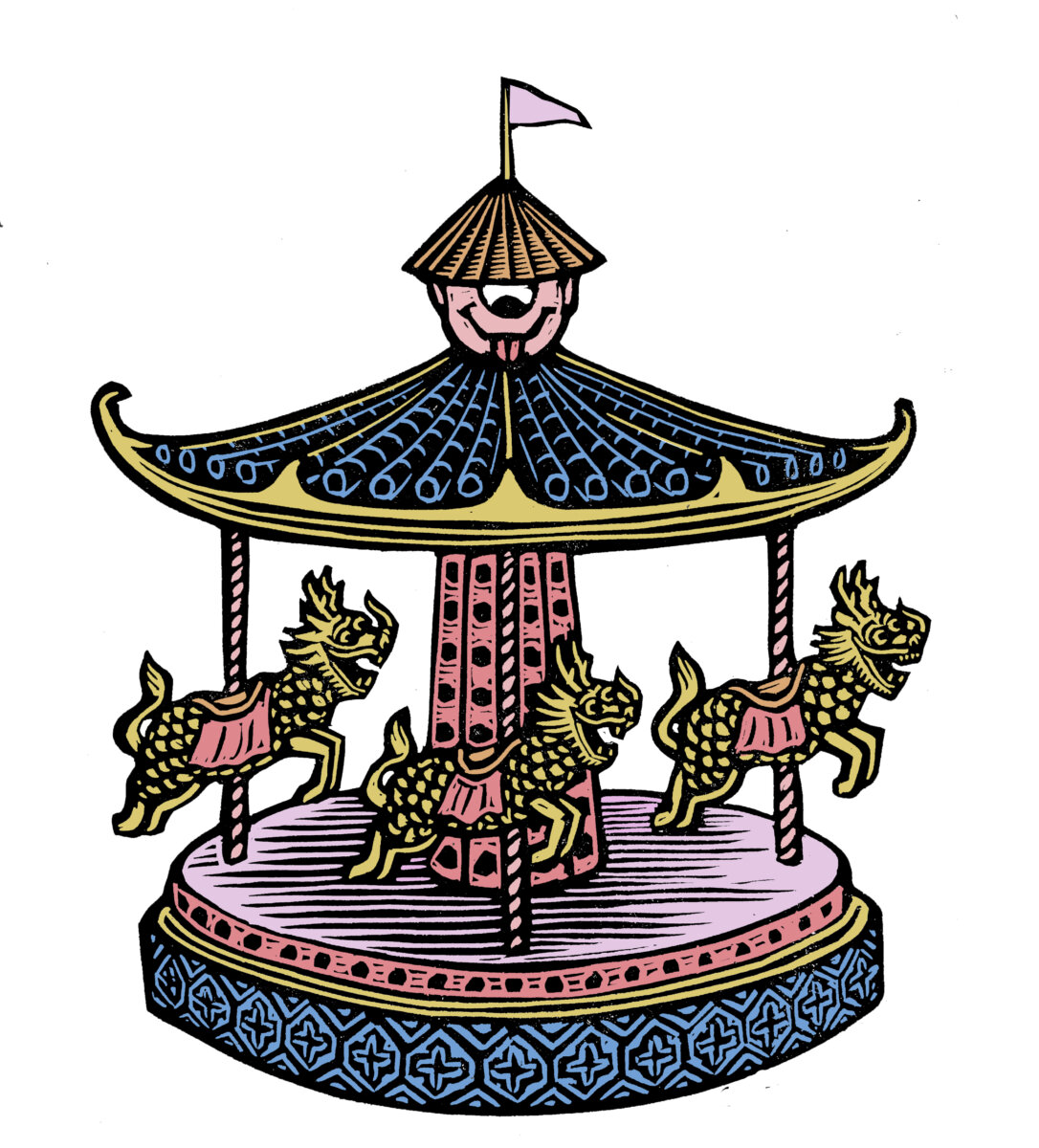
Japan has a long, rich history of woodblock printing, called mokuhanga, dating back to the 11th century. The ukiyo-e genre of block prints flourished in Japan from the 17th through 19th centuries. This workshop offers a modern twist on this ancient art form, where participants can carve and print with linoleum blocks to create their own unique imagery.
The Haibun Journey: A Narrative of Insight and Discovery
Haibun is a traditional form of Japanese poetry pioneered by the 17th century poet Matsuo Basho comprising a section of prose followed by haiku. Participants will learn the traditional and contemporary use of the form, through reading of various examples, and learn various techniques for writing successful haibun.
The Joy of Carving – Chirirenge Ramen Spoon Edition

Chirirenge in Japanese is the name of the soup spoons used as ramen spoons in Japan. Unlike the western spoon, it is deep with a flat bottom to hold more soup. The handle is curved upwards and the shape mimics a fallen petal of the lotus flower (renge). The word chiri means “to fall off.”
Japanese Traditional Music Workshops: Koto with Joseph Amato
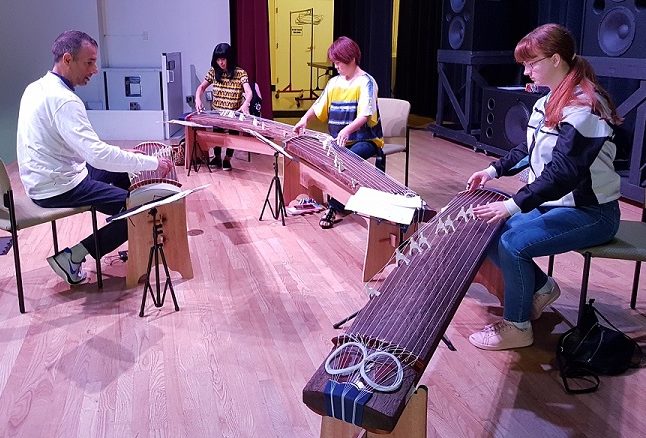
There will be two opportunities for adults to take the Japanese traditional music workshops at the with professional musician from Japan. Instruments and sheet music will be provided
Sumi-e Brush Making
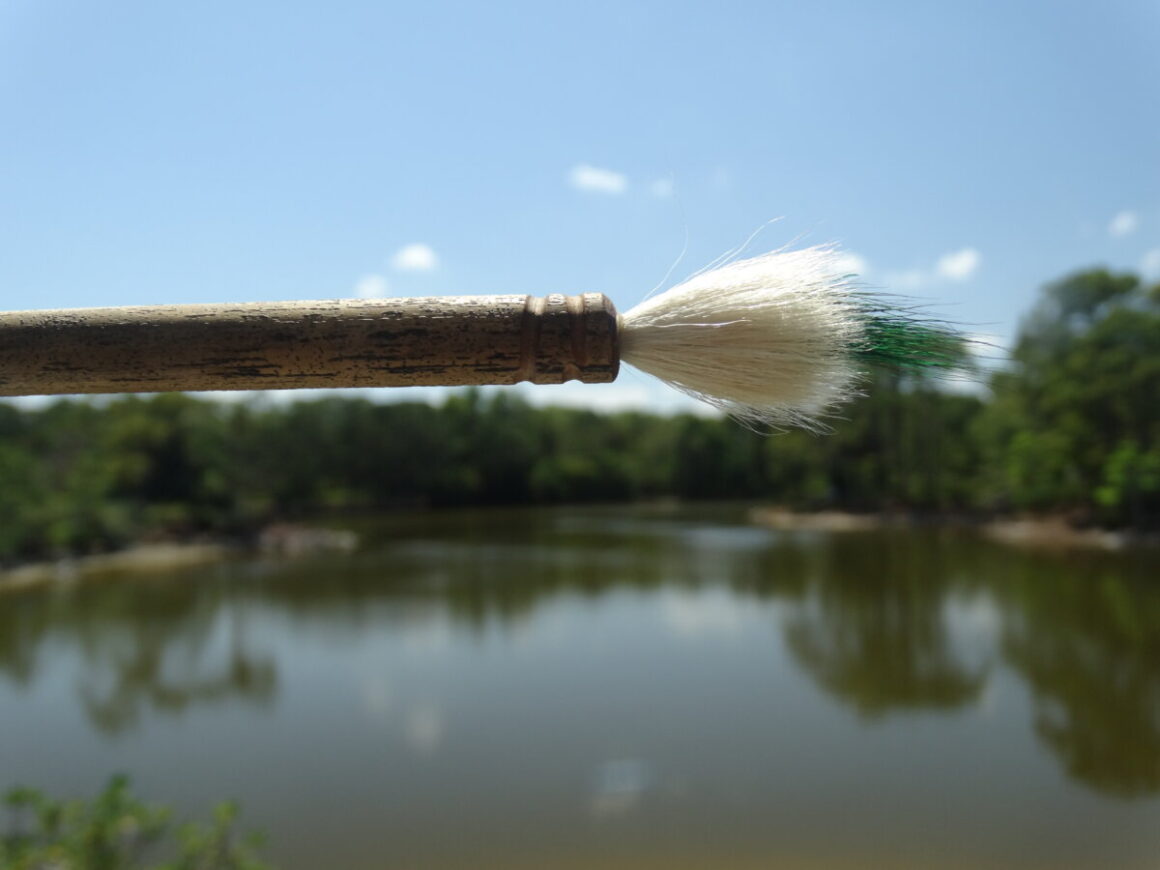
Learn to make your own brushes to create traditional Japanese Sumi-e paintings. The tradition of handmade soft brushes has been a unique tool used for calligraphy and sumi-e painting through many dynasties unit the present day. The origins of brush making can be traced back to five thousand years ago in China. The brush is one of the most inspiring tools and still has the power to peak our imaginations. Using any type of hair, palm tree fibers, bamboo, and driftwood, you can make your own brushes by learning simple construction techniques.
The Morikami Museum and Japanese Gardens is located at 4000 Morikami Park Road, Delray Beach, Florida 33446. Tel: (561) 495-0233.
Interested in other botanical gardens in South Florida? Check out my post with all the details.










One Response
You’re right; what an amazing array of new and different courses!