
A recent whiskey wine tasting coinciding with the launch of a whiskey club I wrote about earlier at the reopened JohnMartin’s in Coral Gables made me think, now’s the time to do a whiskey guide (it is the largest selling liquor category in the USA). Even if you’re not a whiskey drinker, I think you’ll find the facts interesting (would you believe there’s whiskey in Taiwan and India for example). And if you do opt for any of the six categories of the liquor , then this is sure to make your whiskey imbibing more of an experience.
By Emi Guerra and Alex Mantecon, co-founders of Breakwater Hospitality Group
Whiskey Guide:
What are the kinds of whiskey, flavors, and where they come from?
- Scotch Whisky: Produced in Scotland, Scotch is made primarily from malted barley and aged for a minimum of three years in oak barrels. There are two main categories: Single Malt (made from malted barley at a single distillery) and Blended Scotch (a mix of single malts and grain whiskies). Flavors can range from smoky and peaty to fruity and floral, depending on the production process and region.
- Irish Whiskey: This whiskey is typically made from a mix of malted and unmalted barley and aged for at least three years in wooden casks. It is known for its smooth, light, and slightly sweet flavor profile, often with notes of honey, vanilla, and citrus.
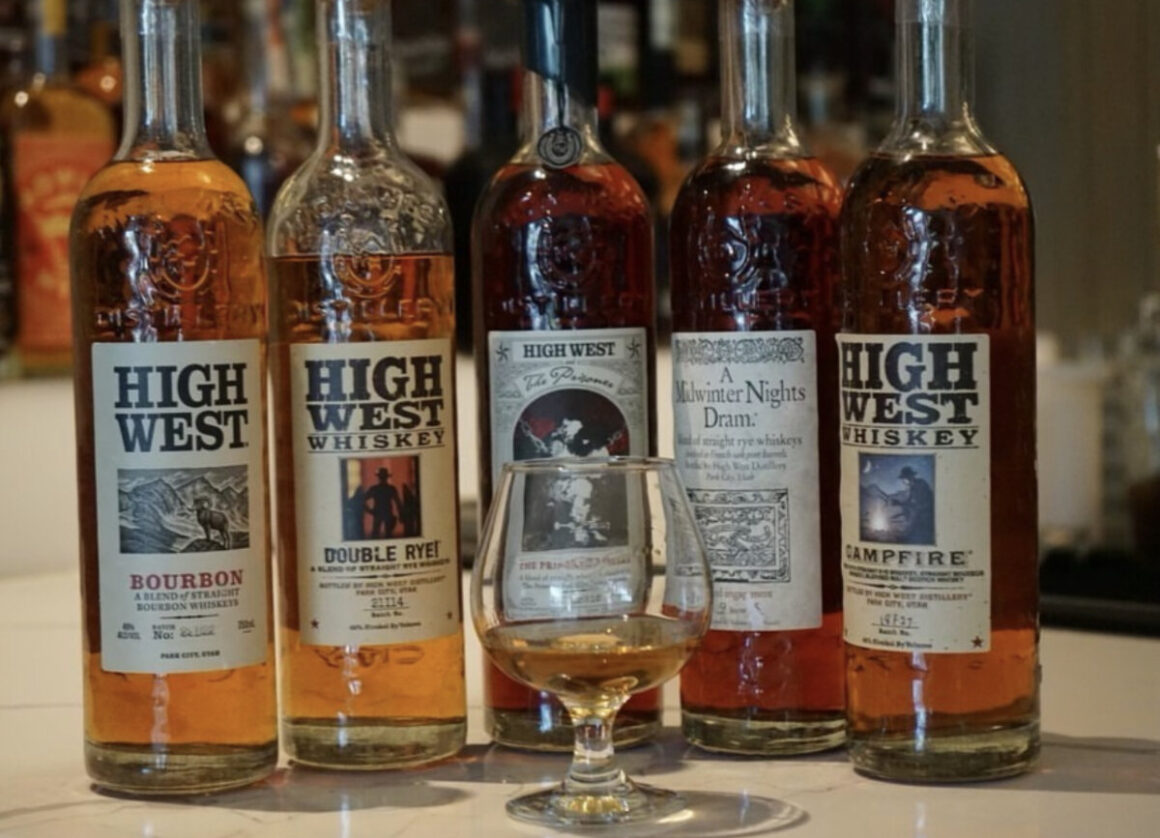
- American Whiskey: The United States produces several types of whiskey, including Bourbon, Rye, and Tennessee whiskey. Bourbon is made primarily from corn, Rye from rye grains, and Tennessee whiskey undergoes a charcoal filtering process called the Lincoln County Process. These whiskies have diverse flavor profiles, from sweet and oaky (Bourbon) to spicy and bold (Rye) to smooth and mellow (Tennessee whiskey).
- Canadian Whisky: This whiskey is often made from a blend of various grains, including corn, rye, barley, and wheat. It is typically aged for a minimum of three years in oak barrels. Canadian whisky is known for its light, smooth, and easy-drinking character, with flavors that can range from sweet and fruity to spicy and slightly floral, depending on the blend and aging process.
- Japanese Whisky: This type of whiskey is often produced using similar methods to those used in Scotch whisky production. Japanese whiskies can be single malts or blends, and they are known for their delicate, smooth, and subtly complex flavors, which can include notes of fruit, floral elements, and a hint of smoke.
- Indian Whisky: Indian whiskies are typically made from molasses or a mix of grains. The climate in India leads to a faster maturation process compared to other whiskey-producing regions, resulting in distinct flavor profiles. Indian whiskies can range from sweet and fruity to spicy and bold, with some even featuring a smoky character.
- Australian Whisky: Australia has a growing whiskey industry, primarily focused on producing single malt whiskies using locally sourced barley, and often feature unique flavor profiles due to the use of native Australian wood for maturation, which can impart flavors such as eucalyptus, honey, and dried fruit.
- Taiwanese Whisky: Taiwan has recently gained recognition for its high-quality whiskies, particularly single malts. The tropical climate accelerates the aging process, resulting in whiskies with rich, fruity, and sometimes floral notes. Some also exhibit a gentle smoky character, reminiscent of peated Scotch whiskies. The combination of traditional whiskey-making techniques and the unique local environment contributes to the distinct flavors and profiles.
- Swedish Whisky: Sweden’s emerging whisky industry has gained attention for its innovative approach to whisky-making, using locally sourced ingredients and unique production methods. They vary in flavor, ranging from light and fruity to rich and smoky, depending on the distillery and production techniques.
- French Whisky: French whiskies are often made from locally grown grains and aged in French oak barrels, imparting unique flavors that can include notes of fruit, vanilla, and spices. Some distilleries also experiment with finishing their whiskies in wine casks, adding further depth to their flavor profiles.
- New Zealand Whisky: New Zealand has a small but growing whisky industry, with distilleries primarily producing single malt whiskies. The use of local ingredients and the country’s unique climate contribute to the distinct flavors in these whiskies, which can range from light and fruity to rich and earthy.
- South African Whisky: South African whiskies are typically made from local grains, such as maize and malted barley, and can feature a diverse range of flavors, from light and floral to deep and spicy, depending on the production process and maturation techniques.
Whiskey Guide:
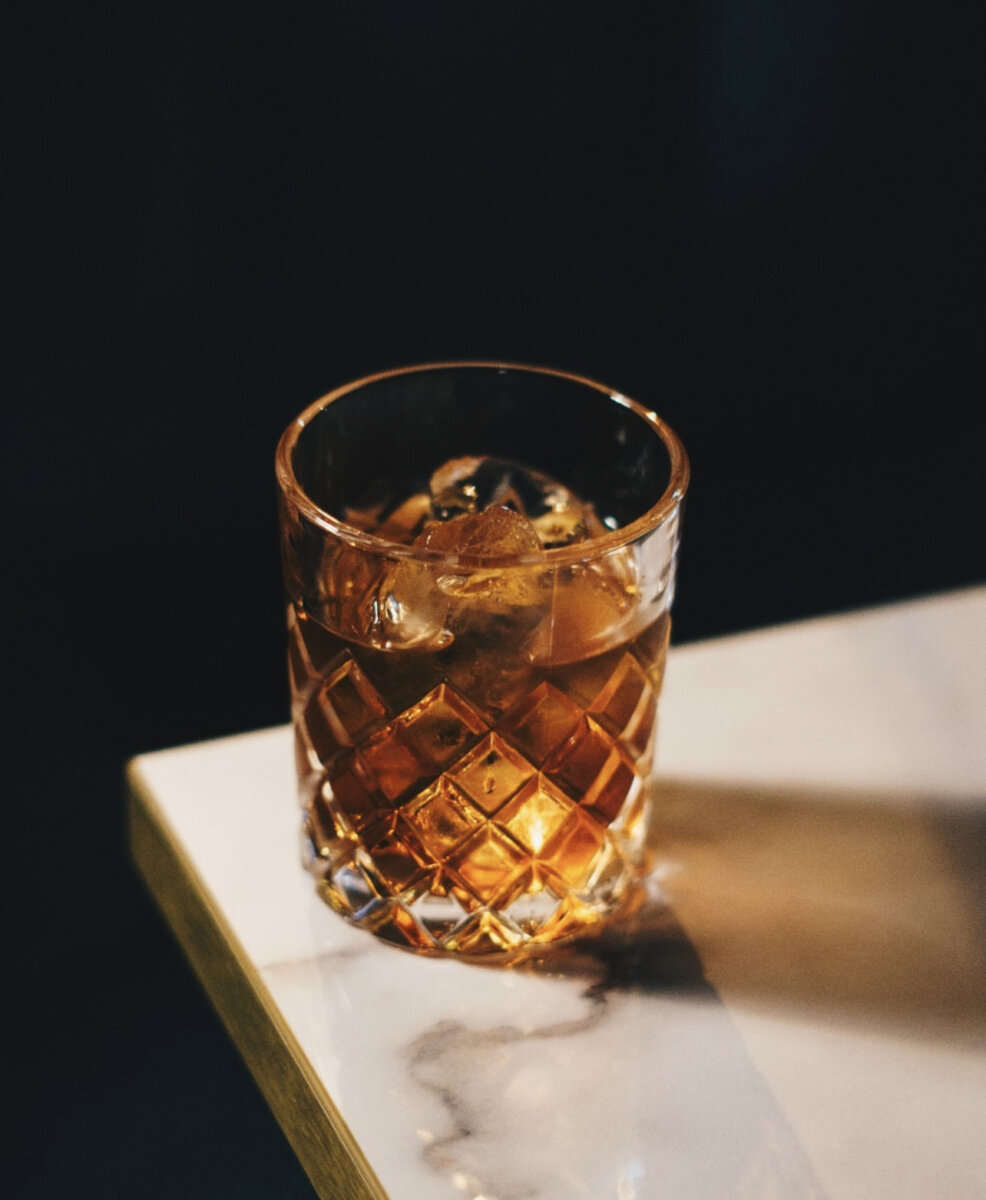
What’s the best glass to serve whiskey in?
The Old Fashioned (or rocks) glass is a short tumblr, also known as a lowball glass, is commonly used for serving whiskey neat, on the rocks or in cocktails. Its wide opening and sturdy base make it a popular choice for casual drinking and mixology. For formal tastings and more immersive sensory experiences, the Glencairn glass which has a tulip shape with a narrow opening that concentrates the whiskey’s aroma towards the nose or the copita glass with a narrow, stemmed design that resembles a small wine glass is recommended, while the Old Fashioned or rocks glass is a versatile choice for casual sipping or enjoying Whiskey based cocktails. The best glass ultimately depends on the drinker’s taster and intended experience.
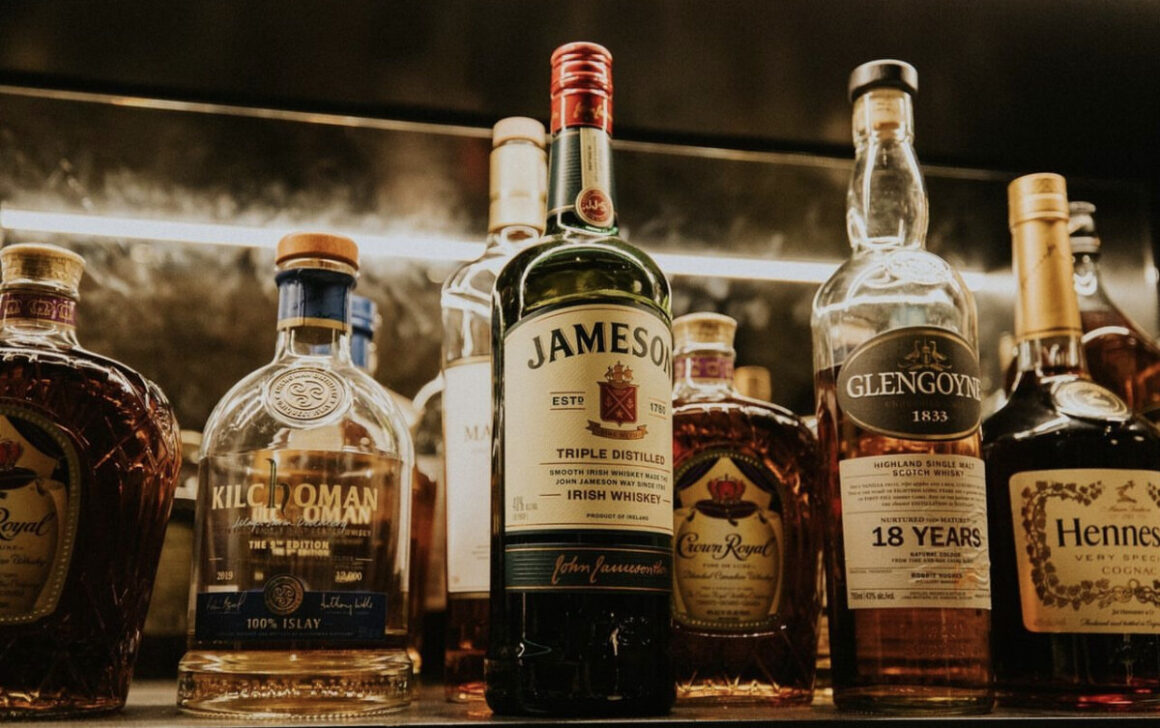
Which is the best kind for a novice?
For a novice whiskey drinker, it’s recommended to start with lighter and less complex whiskey styles such as:
Bourbon – which is sweet and has a smooth taste due to being aged in new oak barrels.
Irish whiskey – which is also smooth and easy to drink due to being triple distilled.
Canadian whiskey – which is usually light and mellow, often blended with other grains.
Blended Scotch – which is a mix of single malt and grain whiskies, usually with a smoother and more approachable taste than single malts.
Whiskey Guide:
Do vintages/years matter?
Vintages matter for some whiskeys, like single malt Scotch, as aging has a significant impact on the flavor profile. Other types, like bourbon and blended whiskies, focus on maintaining consistent flavor, so the age of the whiskey is less important than the overall quality of the blend. Some years may be better for certain whiskeys due to environmental factors which may influence distilleries to release limited edition bottlings. In summary, Vintages can play a significant role in a whiskey’s flavor and quality. In summary, while the importance of vintages/years may vary depending on the type of whiskey, they can play a significant role in the flavor profile and overall quality of the whiskey.
More Info for the Whiskey Guide:
How long can you keep a bottle open before it goes bad? What’s the best way to store it?
While Whiskey doesn’t spoil after opening, it can begin to oxidize and lose its flavor and aroma over time if not stored properly. Store whiskey in a cool, dark place away from sunlight and heat to help preserve the quality for several years. Also make sure the bottle is tightly sealed in order to minimize air exposure, which can speed up oxidation.
Add a few drops of water: Adding a few drops of water can help open up the flavors of the whiskey and make them more pronounced.
Enjoy slowly: Sip the whiskey slowly, savoring each sip and allowing the flavors to linger on your tongue.
Click here for my tasting experience at JohnMartin’s.
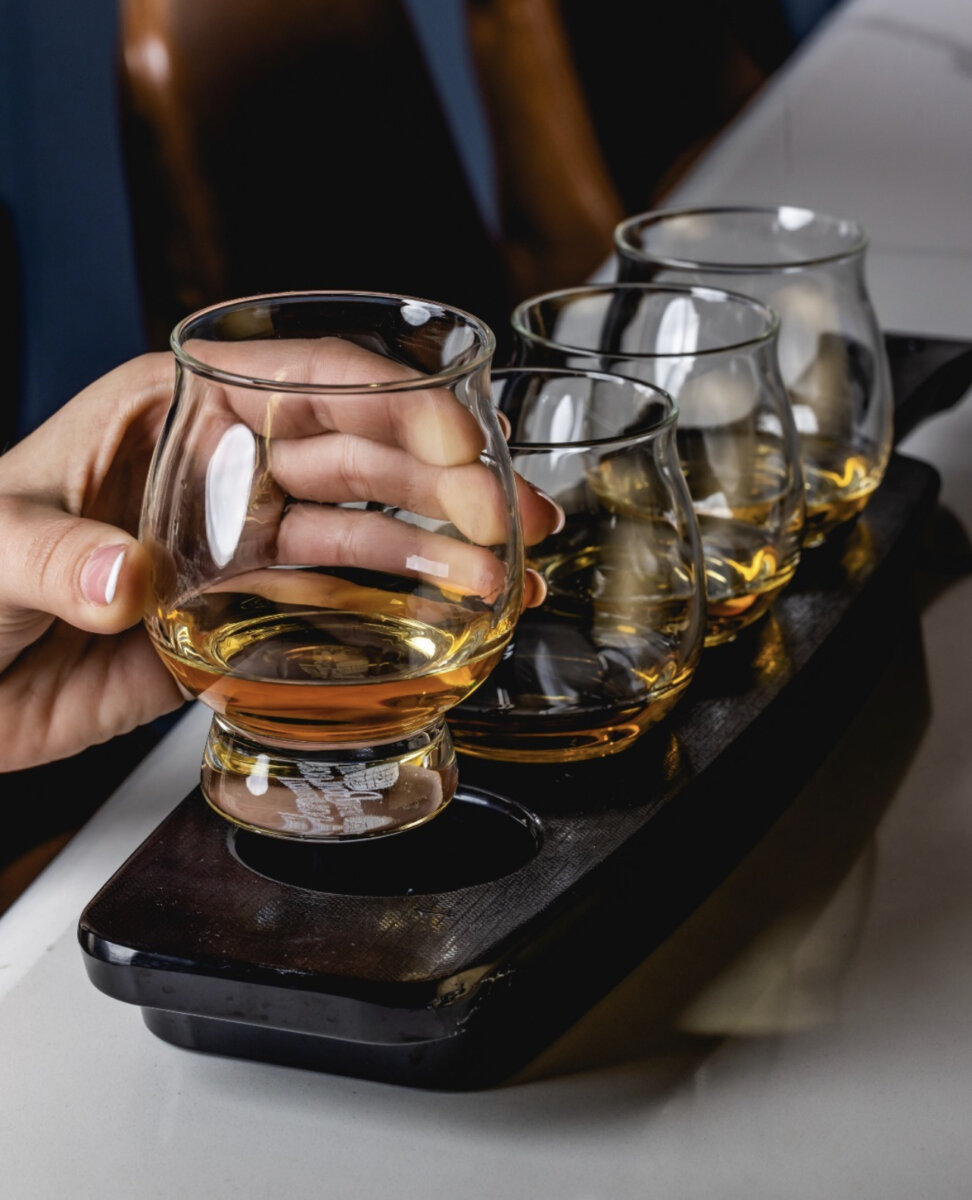
What is considered the Rolls Royce of each category?
There are many great whiskeys out there, and opinions on what the “Rolls Royce” of each category might can vary depending on personal taste and preferences. However, here are some widely recognized examples of some of the most prestigious whiskeys in their respective categories:
- Single Malt Scotch: The Macallan is often considered one of the “Rolls Royce” brands of single malt Scotch, particularly their older and more exclusive bottlings.
- Bourbon: Pappy Van Winkle’s Family Reserve is a highly sought-after bourbon that is often referred to as the “Rolls Royce” of bourbons due to its exceptional quality and limited availability.
- Japanese Whisky: Yamazaki is a Japanese whisky brand that has gained international recognition and is considered one of the best in the world. Their 18-year-old expression is particularly revered.
- Irish Whiskey: Midleton Very Rare is a premium Irish whiskey that is produced in limited quantities each year, using a blend of pot still and grain whiskies that are at least 12 years old.
- Canadian Whiskey: Lot No. 40 is a Canadian rye whiskey that has gained a reputation for its high quality and unique flavor profile, making it a “Rolls Royce” brand in the Canadian whiskey category.
Rounding Out the Whiskey Guide:
How to serve it – chilled, warmed, room temperature?
Finishing up the whiskey guide is the the best way to serve it. Bottom line, it depends on personal preference and the type of whiskey. Some general guidelines include:
- Room temperature: Most whiskey drinkers prefer to enjoy their whiskey at room temperature (around 60-65°F or 15-18°C), as this allows the full range of flavors and aromas to be appreciated.
- Chilled: Some people prefer to serve certain types of whiskey, such as lighter or fruitier ones, chilled. However, this can also dull the flavors and aromas of the whiskey, so it’s best to only chill whiskey that you would prefer to drink cold.
- Warmed: Serving whiskey warmed is generally not recommended, as this can release harsh alcohol fumes and change the flavor of the whiskey.
- With water or ice: Adding a few drops of water or a single ice cube to whiskey can help to open up its flavors and aromas and can also help to mellow out the alcohol. However, adding too much water or ice can dilute the whiskey and mask its flavors.

About JohnMartin’s
Nestled on Miracle Mile in Miami, JohnMartin’s is a quintessential Irish pub founded in 1989 by John Clarke and Martin Lynch. John and Martin were childhood friends from Killinkere parish in northwest Dublin who moved to Miami in the late 80s. The restaurant was modeled after their beloved neighborhood pubs from their homeland and quickly became a beloved gathering place that helped revitalize Miracle Mile. Breakwater Hospitality Group’s Emi Guerra and Alex Mantecon, in partnership with Erick Passo, owner of Downtown’s Black Market Miami, renovated and reopened the storied eatery in Fall 2022.
The restaurant offers a thoughtfully curated selection of Irish whiskey, craft beer and other spirits alongside a classic menu of authentic Irish and American fare with global influences.
The JohnMartin’s Whiskey Club is a celebration of the restaurant’s collection of over 400 premier whiskeys. Membership to JohnMartin’s Whiskey Club includes unique perks, including personal, labeled whiskey lockers in the restaurant, prioritized seating and dining services, special members-only experiences and much more. The beloved Irish pub’s Whiskey Club caters to those with a passion for quality whiskey and bespoke experiences.
JohnMartin’s is located at 253 Miracle Mile Coral Gables, FL 33134. To make a reservation and for more information, visit johnmartinsmiami.com or call 305-209-0609.