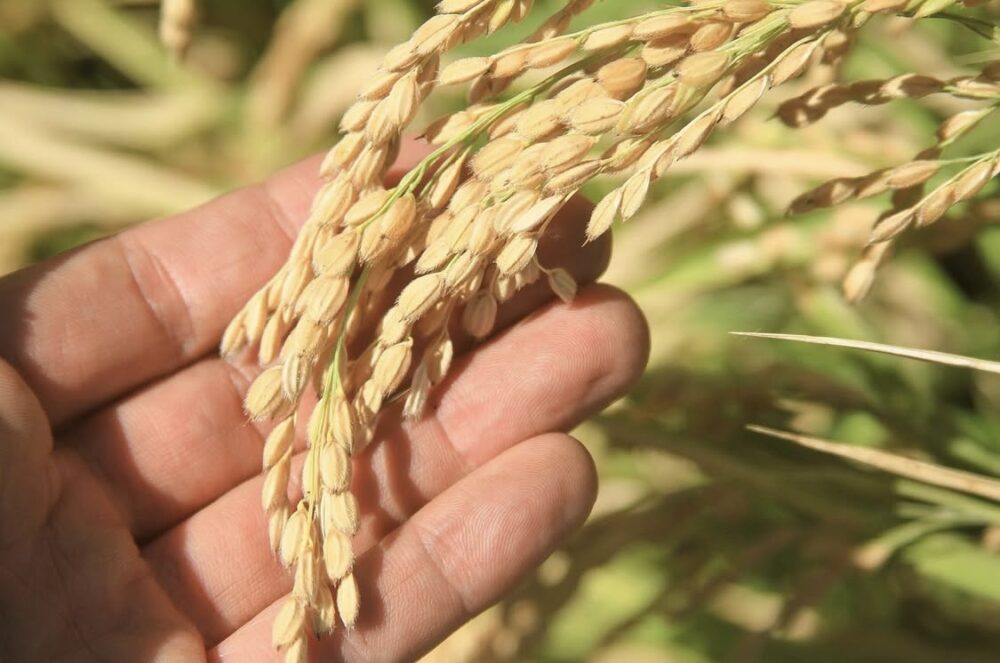
By Michael J. Simkin
Though heaven knows I’ve been to a lot of Japanese restaurants and recently traveled to Japan, I realized how little I know about sake. Happily on my return from the trip my travel agent introduced me to Michael J. Simkin who is a representative of Uka, a top sake brand which, interestingly enough, grows its rice in California. It is then sent to Japan for processing owing to a special kind of water there which is essential in producing its quality. He agreed to write a guide to sake with answers to key information to know and interesting facts such as there’s a sake brewery in Miami. Here it is and as they say in Japaneses to toast (cheers) “Kampai”, And if you’re intrigued by Japan and thinking of visiting, check out links to my blogposts on my trip there earlier this year.’
What are the categories of sake, and what sets them apart?
Sake is broadly divided into five everyday grades based on how the rice is polished and whether brewer’s alcohol is added. Each grade offers a different balance of body, aroma, and smoothness:
- *Junmai (“pure rice” ): Made with just rice, water, yeast, and mold. Until 2004, the rice had to be polished to at least 70% of its original size. After 2003, there is no milling requirement for the junmai category. Junmai tends to have a rich, full body and savory umami notes, making it a versatile option that can be enjoyed both warm and chilled.
- Honjōzō: Must be polished to at least 70%, but with a small amount of neutral brewer’s alcohol added at the tail end of fermentation. The extra alcohol lightens the body, brings forward a gentle aroma, and makes honjōzō exceptionally approachable both warm and cold.
- Ginjō and Junmai Ginjō: Rice is milled to 60% or less, removing a greater portion of the outer layer of the rice kernel. Ginjō sakes are fermented at lower temperatures to develop fruity, floral aromas and a clean finish. The “junmai” label means no added alcohol; plain ginjō allows a touch of brewer’s alcohol for extra lift.
- Daiginjō and Junmai Daiginjō: The super-premium tier requires at least 50% polishing. These are the most delicate, fragrant, and complex sakes. Junmai Daiginjō contains no added alcohol, while daiginjō does.
- Futsū-shu (“table sake” ): This is everyday sake with no minimum polishing requirement and—often—added sugars or acids. It’s simple, budget-friendly, and made for casual drinking.
Here’s an important link that will show you at a glance the hierarchy of sakes and more:
About sake | OMURASAKI |Sake Importer
Is all sake from Japan?
Sake, referred to as nihonshu in Japan, possesses a rich heritage, having been meticulously brewed for over a millennium as an integral part of Japanese tradition and culture.
Because it’s so closely tied to Japanese tradition, many people assume that every bottle of sake comes from Japan. In reality, while the vast majority of sake in the world is still made in Japan, the basic ingredients and techniques have spread far beyond its shores.
In Japan, sake is made by polishing special rice, then fermenting it with water, kōji mold, and yeast. Outside Japan, there are brewer from the USA and Canada to Brazil, France, and even parts of Europe. Currently, there are approximately 30 brewers of sake in North America. There’s even a sake brewery in Miami (Shōjō’s Dojo).
That said, terroir matters. Japanese water, local rice varieties, climate, and centuries-old brewer expertise all shape the classic flavors of nihonshu. When sake is made elsewhere, it often takes on new characters, sometimes lighter or fruitier, sometimes richer or earthier, depending on local ingredients and methods. Some non-Japanese breweries even bring in Japanese tōji (master brewers) for training, while others invent hybrid styles that blend sake techniques with local brewing traditions.
On the label, you’ll usually see where it’s from. If it simply says “Japanese sake” or lists a Japanese prefecture, it was brewed in Japan. If it names an American state, a European country, or another region, it’s a locally made sake.
In short, sake doesn’t have to come from Japan—but if you’re looking specifically for the centuries-old, culturally steeped flavors of nihonshu, you’ll want bottles produced on its home turf.
What’s the best glass to use for sake?
Choosing the right glass for sake can significantly elevate your experience, as both the material and shape affect how aromas and flavors are perceived. Glassware preserves a sake’s pure, delicate notes, while ceramic or pottery will soften and deepen the flavors. Thin rims help you sense subtle tastes more sharply, while wide openings allow aromatic compounds to escape more readily, thereby enhancing bouquet and mouthfeel.
For chilled premium sake, such as ginjō or daiginjō, a wine-style glass with a wide bowl and a narrow rim is ideal. This shape captures and focuses the sake’s fragrant esters, while still showing off its clarity and color. Gently swirling in a wine glass also helps release floral and fruity aromas that might be muted in a traditional cup.
If you’re enjoying everyday sake or prefer a more casual vibe, classic ochoko (small cup) or guinomi (slightly larger cup) are perfect. Ochoko concentrate aroma in small sips, and guinomi let you savor a bigger taste. As a handy alternative, small white-wine glasses work surprisingly well, and for a touch of elegance, Edo Kiriko cut-glass sake cups are beautiful for chilled pours.
When warming sake, opt for ceramic or pottery cups—these thicker vessels hold heat longer and give warm sake a cozy, rounded profile. Specialty styles also require specific glassware: use flute glasses to keep sparkling sake bubbly, and opt for a wide-mouthed glass for nigori (unfiltered) sake, allowing its creamy sediment to spread evenly with each sip.
See the reel below, my lacquer sake cups bought in Japan.
Does sake have vintages? Are years important?
Most sake bottles do carry a “brewing year” (often printed in small type on the back), but for everyday sake, that date is more about freshness than prestige. Unlike wine—where vintage year is a key selling point—most sake is meant to be drunk young, ideally within six to twelve months of bottling. That’s when its clean, bright flavors and aromas are at their peak.
*There is, however, a niche category called koshu (or “aged sake”) or jukuseishu koshu (“aged sake”) or jukuseishu (“matured sake”)that turns the idea of freshness on its head. These special sakes are deliberately cellared—sometimes for three, five, or even ten years or more—to develop a deep amber color, nutty and caramel notes, and more savory, sherry-like complexity. In that case, the brewing year becomes part of the story, since you’re buying maturity rather than immediacy.
For 99% of what you’ll see on store shelves, years aren’t meant to impress—they’re there to remind you to enjoy the bottle while it’s still lively. But if you spot a sake labeled as koshu or *jukuseishu (“matured sake”), then age—and the number of years on that label—are precisely what you’re paying for.
In short: yes, sake has a “year,” but for most consumer sakes it simply tells you when it was made—so you know to drink it sooner rather than later. Only in the rare world of aged sake does that year become the main attraction.
How long can you keep a bottle once open?
Once you pop the cap, oxidation begins, and the delicate aromas start to fade. Even if you keep the bottle sealed and chilled, you’ll notice a shift in flavor after just three or four days. That said, proper storage in the fridge will keep the sake safe and drinkable for up to a week or two, although you’ll likely prefer it while it still tastes fresh and vibrant.
Different styles of sake hold up for various lengths of time in the fridge:
- Ginjō and daiginjō (the light, highly aromatic styles) are best enjoyed within two to three weeks of opening, before their floral and fruity notes dissipate.
- Junmai (rich in acidity and umami) can maintain its character for a month or more, thanks to its sturdier flavor backbone.
- Unpasteurized “nama” sake is the most fragile; once opened, aim to finish it in one to two weeks to enjoy its lively, fresh profile.
What’s the best way to store it?
It is essential to store sake where the temperature remains constant and preferably low. As well, sake is sensitive to light, movement, and vibration. As most sake bottles have metal screw cap enclosures, it is recommended to store them upright. All that said, your home refrigerator is likely the best place.
What are considered the Rolls-Royces of sake?
It’s a very subjective question, and if you ask ten industry people, you’ll likely get ten different answers.
When people talk about the most exalted sakes like those that might sit on a royal dining table, you’re looking at tiny-batch, ultra-polished daiginjō and junmai daiginjō from venerable breweries.
For me, here are two names that stand out. Kokuryū from Kokuryū Shuzō and Bon from Katoukichibee Shouten (https://www.born.co.jp)(https://www.kokuryu.co.jp/en). These sakes are served at Imperial banquets and government receptions, though Japan never publishes a formal “royal warrant” list.
How do you serve it?
I think, first and foremost, that one should choose the right temperature. Chilled (46–59 °C) can highlight light, fruity, and floral notes ideal for ginjō and daiginjō styles. Room temperature (60–77 °C) can help balance aroma and body, perfect for junmai and honjōzō. Warming (96–110 °C) enhances savory, umami-rich flavors, which is best suited for richer junmai and honjōzō sakes.
Choose your vessel. Using a glass or a wine glass allows the color to show and concentrates delicate scents—great for premium sake. Using an ochoko (small cup) or a guinomi (slightly larger cup) is more traditional and preferable when seated, as opposed to walking around, such as at a cocktail party. The tokkuri (ceramic carafe) is often used to warm sake by submerging it in hot water (preferred over using a microwave), then pouring it gently. It’s become somewhat trendy to use a masu (wooden box). It’s a fun way to enjoy sosogi koboshi (the overflowing pour).
Traditionally, in Japan, to show generosity to the guest, one would overpour into the masu that was sitting on a saucer. Additionally, as the masu are typically made from cedar and *cypress, they impart a woody, cedar note to the sake. Lastly, consider etiquette. Hold the tokkuri (or bottle) with both hands—one on the side, one under the base. When receiving, lift your cup slightly and hold it with both hands. Never pour your own glass. Instead, refill friends’ cups and let them return the favor, thereby fostering a shared sense of hospitality. Think of the group rather than yourself. By minding temperature, vessel, and pouring etiquette, you’ll savor every nuance of your sake, just like the pros.
What’s best to pair it with?
Here are some basic guidelines for pairings:
Sake’s range, from clean to rich and umami-laden types, is what makes it a surprisingly flexible partner for almost any dish.
- Sushi & Sashimi: Crisp, floral sakes like ginjō or junmai ginjō enhance the sweetness of raw fish without overwhelming its delicate texture.
- Tempura & Fried Seafood: A dry, light-bodied honjōzō or tokubetsu honjōzō cuts through oil and refreshes the palate after each crunchy bite.
- Grilled Meats & BBQ: Full-flavored Junmai or a rustic kimoto sake pairs well with smoky, fatty meats, balancing richness with savory depth.
- Cheese & Charcuterie: Creamy cheeses—such as Brie, Camembert, or triple-cream—find a perfect counterpoint in junmai’s umami backbone; aged sakes (koshu) also shine alongside rich charcuterie and hard cheeses.
- Spicy & Aromatic Foods: Slightly sweet nigori or sparkling sake cools the heat of spicy Thai, Mexican, or Indian dishes, bringing balance and a hint of fruitiness.
- Chocolate & Desserts: A semi-dry, fruity daiginjō elevates dark chocolate and creamy desserts, offering a sophisticated finale to any meal.
Remember to serve each sake at its ideal temperature—chilled for delicate styles or gently warmed for bolder, umami-rich sakes—to unlock their full pairing potential and create a memorable dining experience.
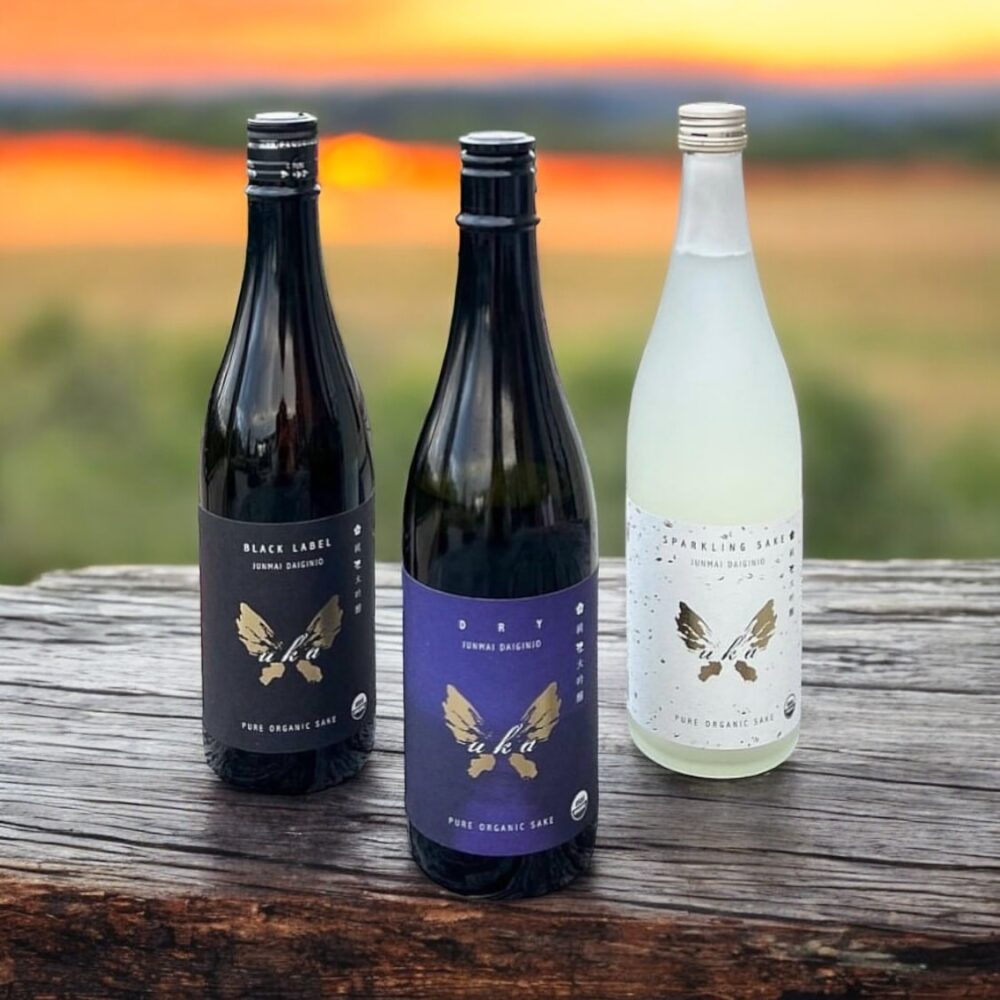
About Uka sake:
Uka is the Japanese word for emergence, and it was chosen as the brand’s name for the symbolism it embodies on several levels. From humble beginnings as organic grain in a field, the rice is transformed through milling and brewing to emerge as a saké that is elegant and refined. The saké label itself is symbolized by the sumie-style butterfly. The lower wings of Uka’s butterfly are stylized maps of California and Fukushima, signaling a new relationship between the family of a California rice farm and a centuries-old brewer’s family in Japan. But most importantly, Uka saké is a renewal of the Koda Farms’ founder’s passion for seeking ways to increase ties and foster relationships between the USA and Japan. Uka saké completes the circle of connection by using organic rice grown at the founder’s California farm and having it brewed into sake near the Koda family’s ancestral home in Fukushima,