

Food, fashion, Byzantine and Macedonian history, culture on the Aegean coast with an over three mile long seaside promenade, Thessaloniki, Greek’s second largest city and port. In the distance is the legendary Mount Olympus, the highest mountain in Greece and the birthplace of the Greek gods. Thessaloniki has been on our “to go” list for a long time, and this year we made it, spending eight days. And what’s the other best thing we can say about it? We resolved to return next year.For what to eat in the foodie capital of Greece, click here for Part 2. And for shopping, click here for Part 3.
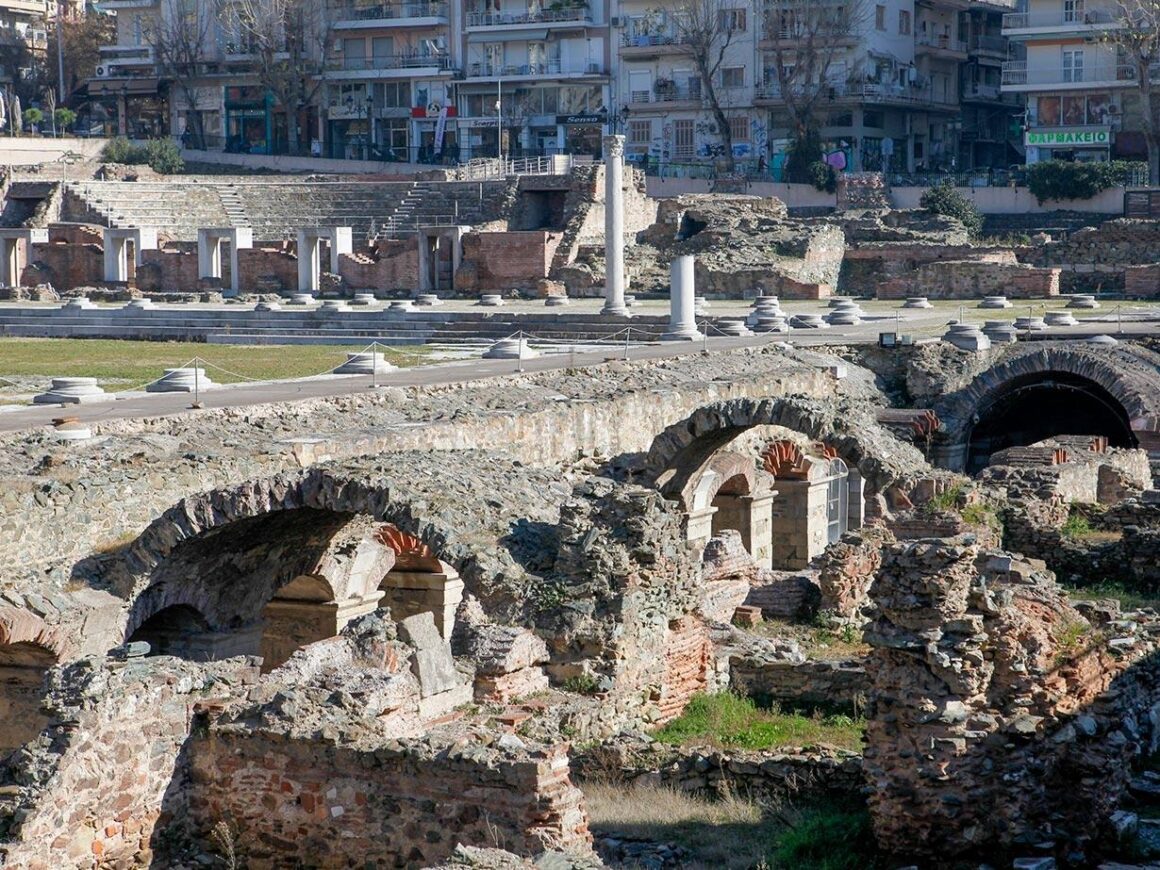
We went in July and unlike many other Med destinations, happily didn’t find it overrun with tourists. We boned up on our history, discovering a history that’s richer even than that of Athens when one considers it was a crossroads of the Greeks, Romans, Ottomans, Franks, and Armenians, including at one time the largest Jewish community in the world . Being close to the Balkans, it also has a fascinating history with its not distant neighbors to the north, from Northern Macedonia, Albania and Bulgaria to Serbia.
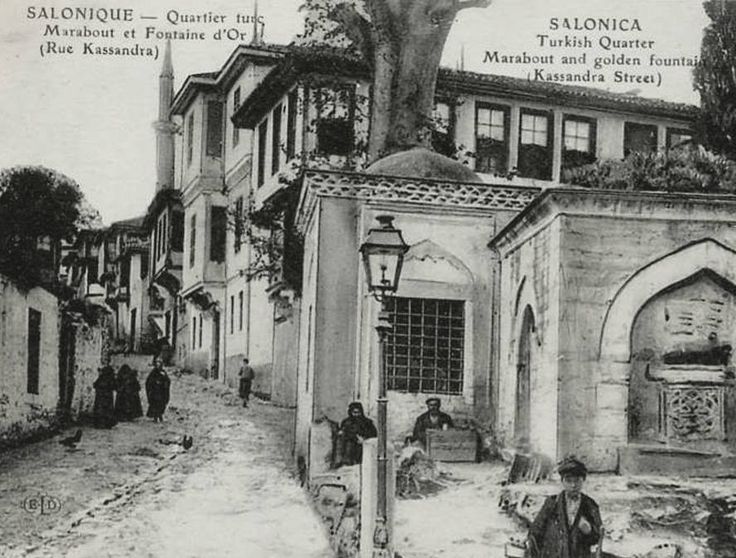
It’s an eminently walkable city with its marvelous promenade, and no need for a car, plus there’s never a problem getting a taxi. There are no fewer than 30 museums including the impressive Archaeological with its Gold Room of ancient treasures of gold jewelry, sculpture, and artifacts, and the first creations of prehistoric man, its first vessels (which include a baby bottle), tools and adornments.
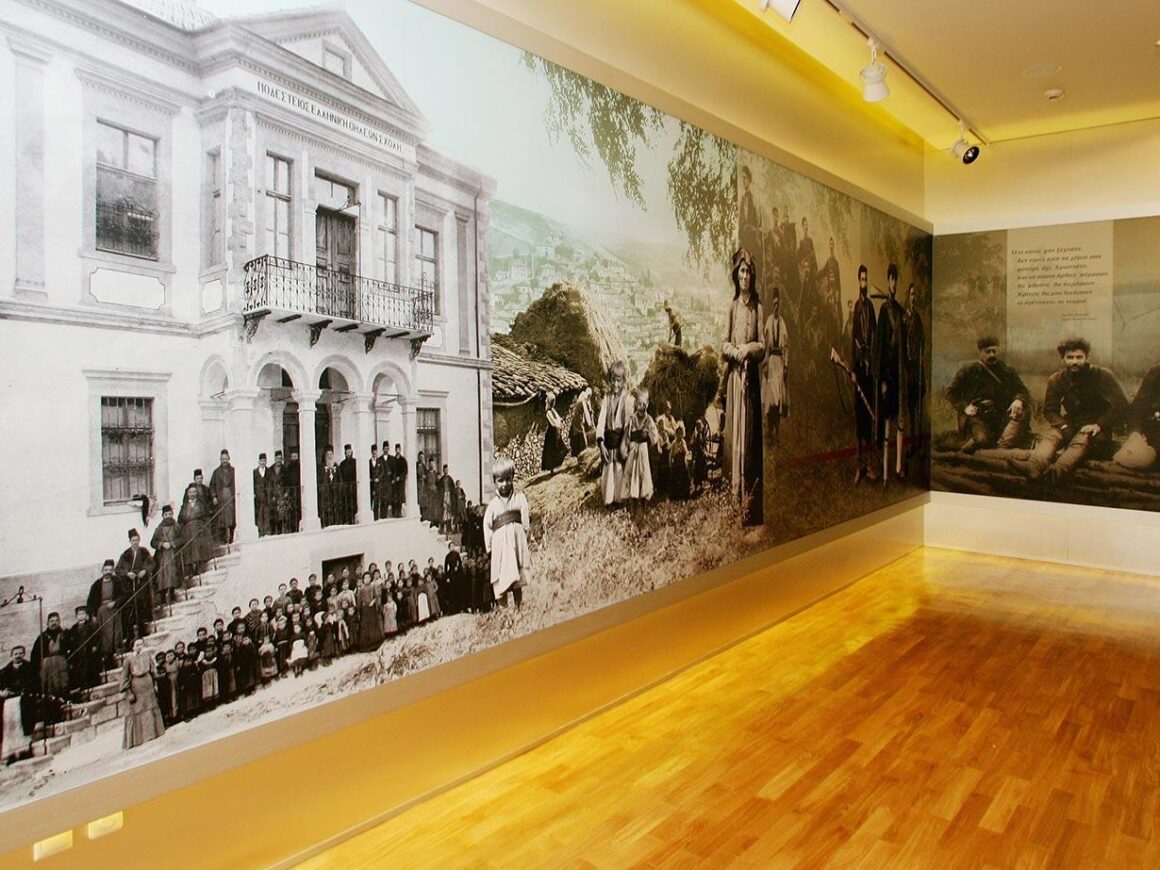
Other highlights include the Museum of Byzantine Culture, Museum of the Macedonian Struggle, several art museums and the Jewish Museum, all of which not to be missed. Sports lovers will enjoy the unique Olympic Museum.
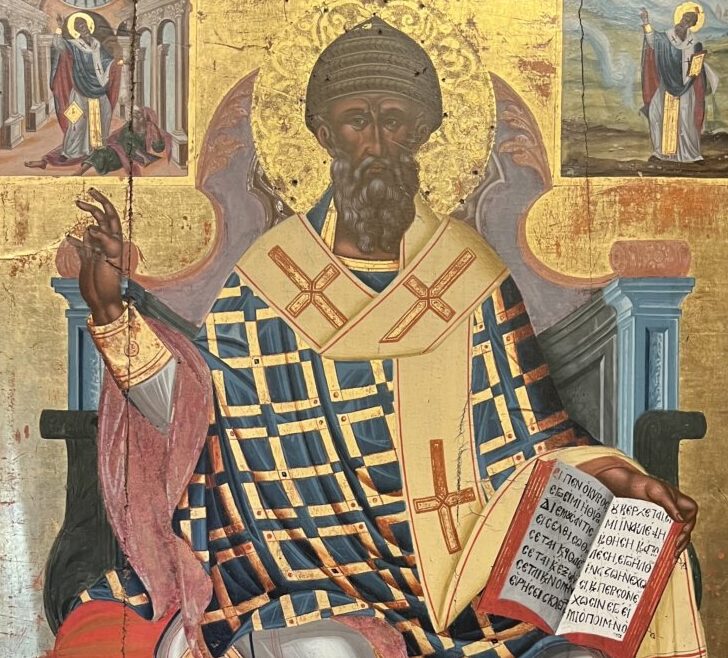
Early Christian and medieval churches abound, interesting to pop into when exploring the city, but the star is the brilliant Church of Hagios Demetrios, which dates back to the Byzantine Empire when Thessaloniki was the second largest city after Constantinople and is rich striking gold icons and artisanry . It also sits atop large public baths from Roman times.
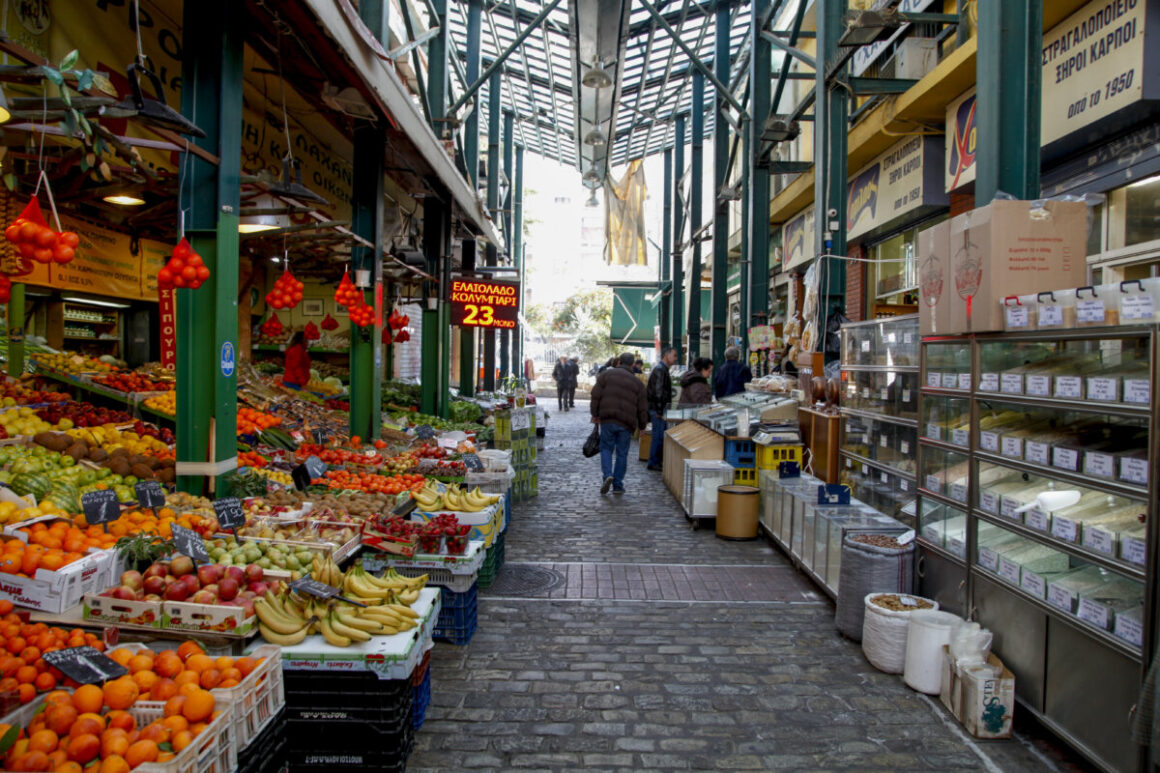
As you’ll read about in my separate post on food, there are several traditional markets – fruit and vegetable, fish, handicrafts where you can explore the products that make for the wonderful farm to table food you find everywhere.
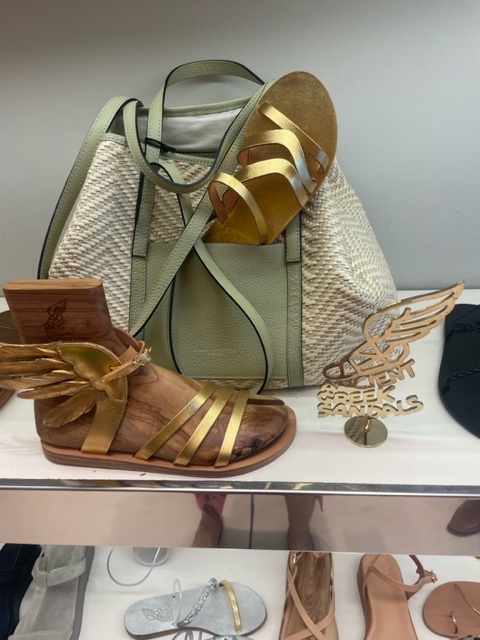
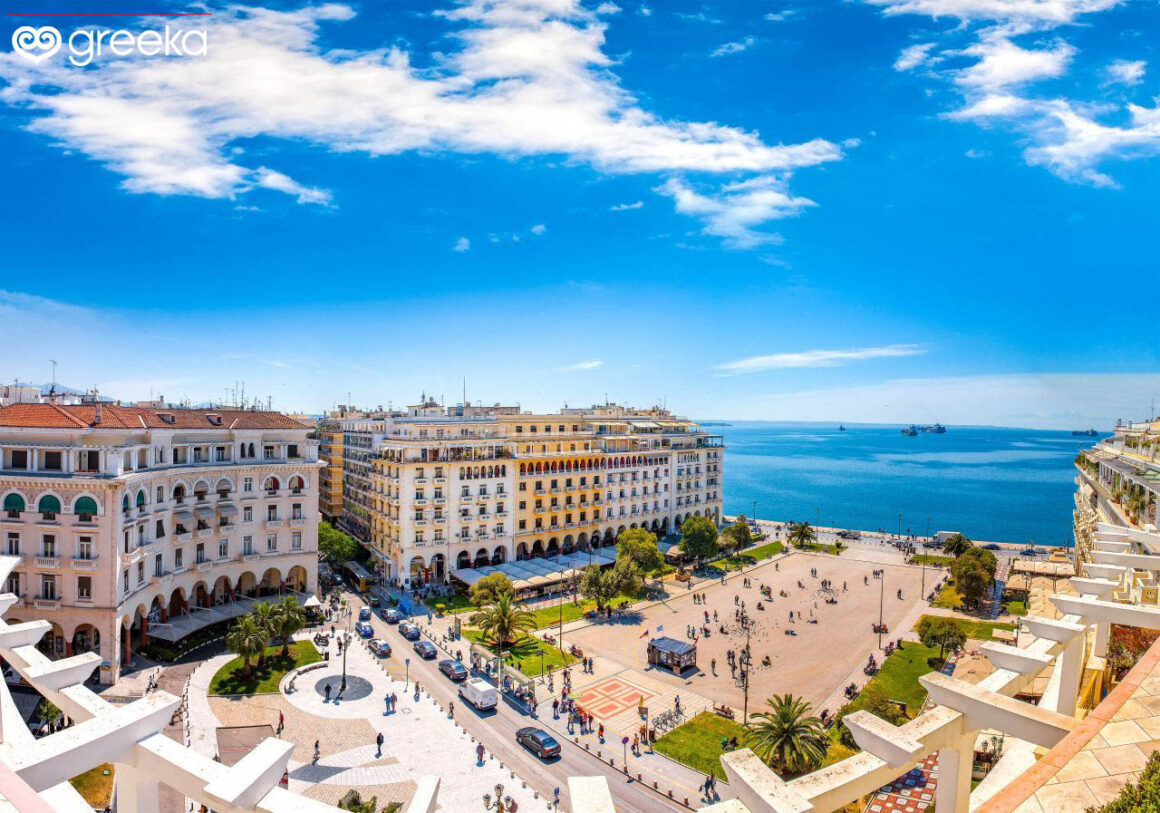
Lots of shops, too, and Greek fashion designers which you’ll also read about in an upcoming blogpost and many around Aristotle Square.
In the evenings, many people head for the Ladadika area with its tavernas and live Greek music, though it can be found throughout the city. You’ll find clubs and bars with a cosmopolitan flair about them; rebetadika (restaurants where live rebetiko music is played);
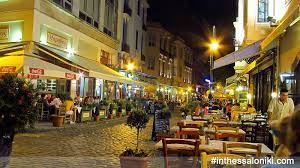
and lively parties hosted by the large university student community where everyone’s invited. There’s also a robust number of cultural performances in three venues, from classical and Greek music to rock and more.
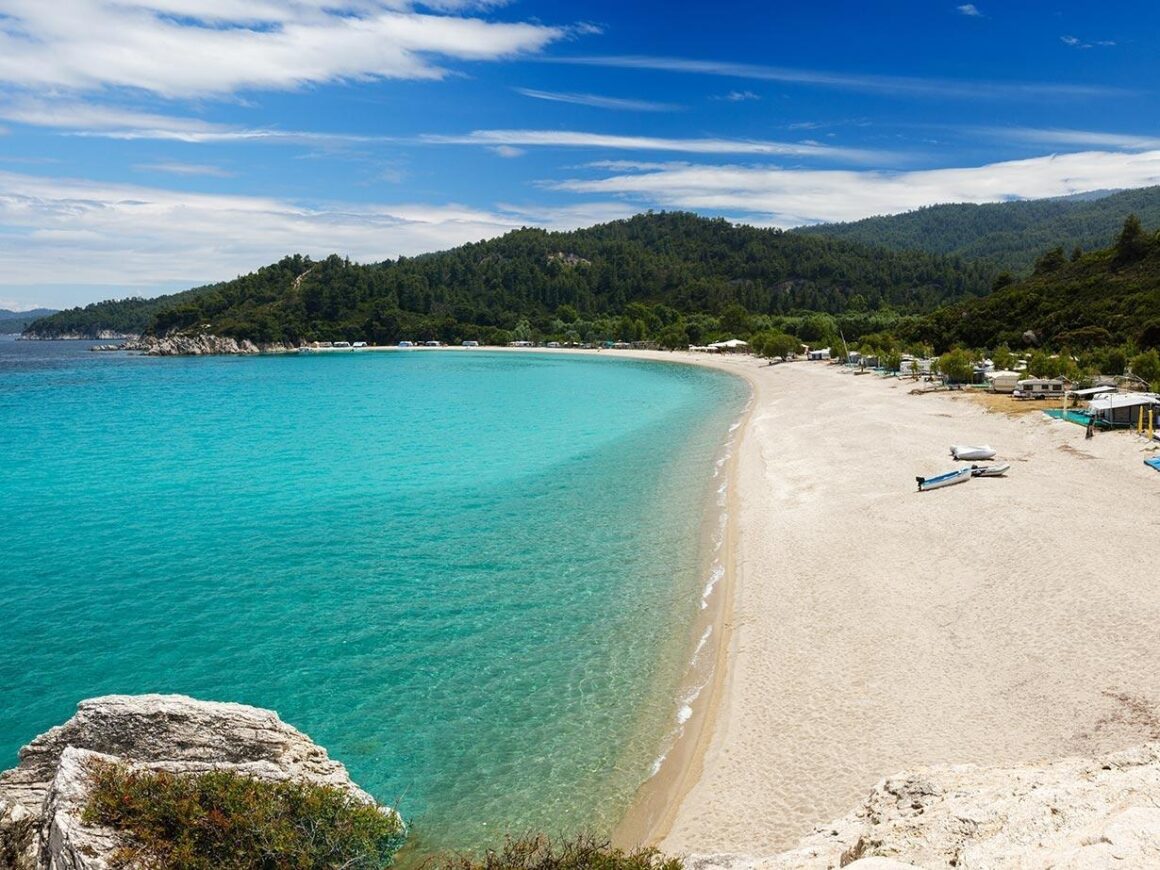
Want beach? Head out to Halkidiki with its resort hotels, beaches and gorgeous water for which Greece is known, a 40 minute ride from the center of the city.
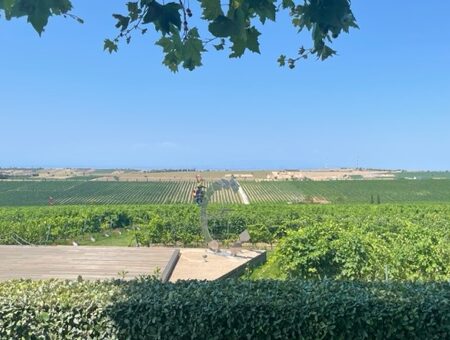
Another side trip well worth it is to Ktima Gerovassiliou, one of numerous wineries on the official “wine tour”and probably the most famous, not only for its fine wines but for its Wine museum. Over 100 hectares, the family-owned winery offers a tour of the vineyard, the wine making process and a selection of DIY tastings of their white, red, rose, and sweet wines. Many of their wines are exported to the US, most notably the white variety Malagousia, including to Milos restaurants.
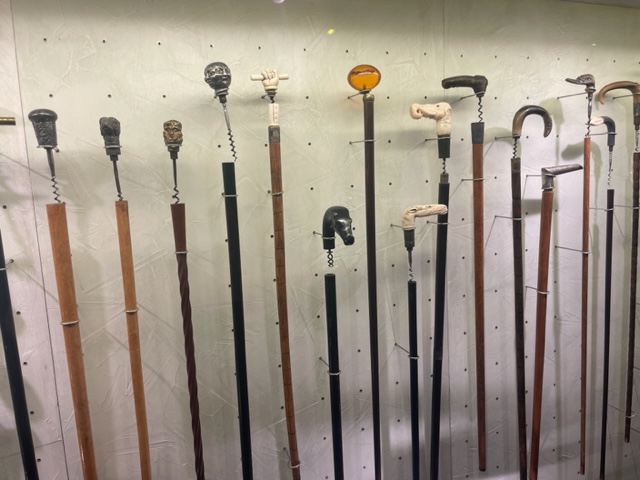
The tour also includes an explanation of the over 2600 corkscrews dating from the 18thcentury to the present and a not to be missed chandelier made by Murano from bottle necks. The owners have also an artwork collection, including some of the most eminent Greek artists on an international scale, which dot the vineyards that face the Aegean Sea and on a clear day, Mt. Olympus in the distance.
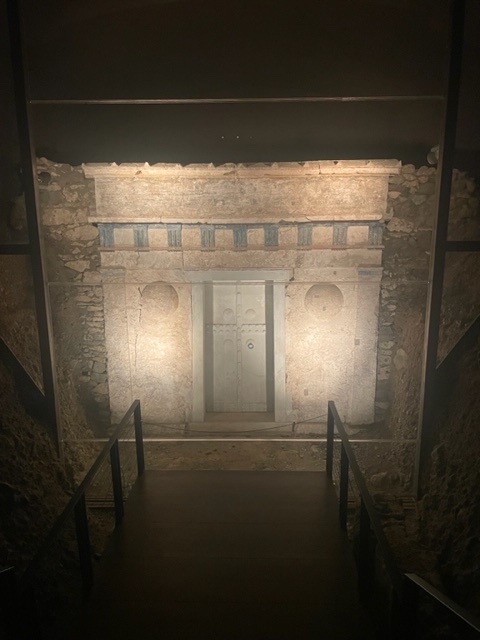
Another very special side trip is to Vergina (in ancient times Aigia) to see the royal tomb (called tumulus) of Phillip II, father of Alexander the Great and King of Macedonia. One of the few ancient tombs that was discovered intact, never looted, the treasures are all here and better yet, displayed in an underground tomb so you can have the full experience. You don’t have to be a history or archaeology buff to revel in the rich all gold treasures, from ceremonial dress and crowns to the royal bed with its ivory sculptures and ornamental vessels that were thought to be used in the after life in “the happy land”
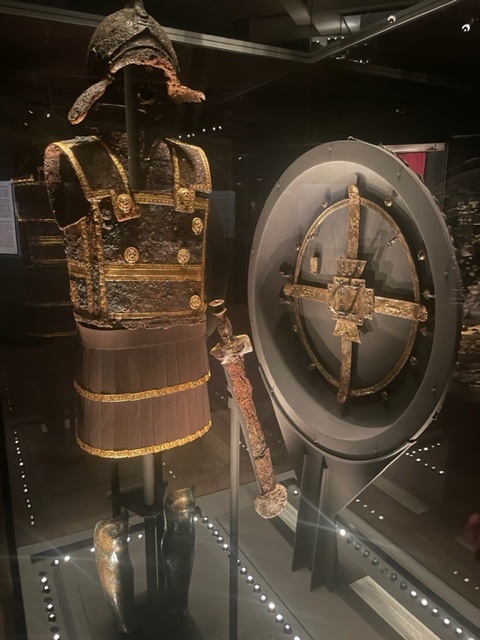
.There are day tours offered to the site, a 45 minute drive from Thessaloniki. We were fortunate to have a guided tour by Harvard educated Greek archaeologist extraordinaire, Maria Nasioula , who is a niece of dear friends in Miami. It is well worth the visit. You can also team it up with a visit to the ancient city of Pella, birthplace of Alexander the Great, and site of a new archaeological museum which is nearby.
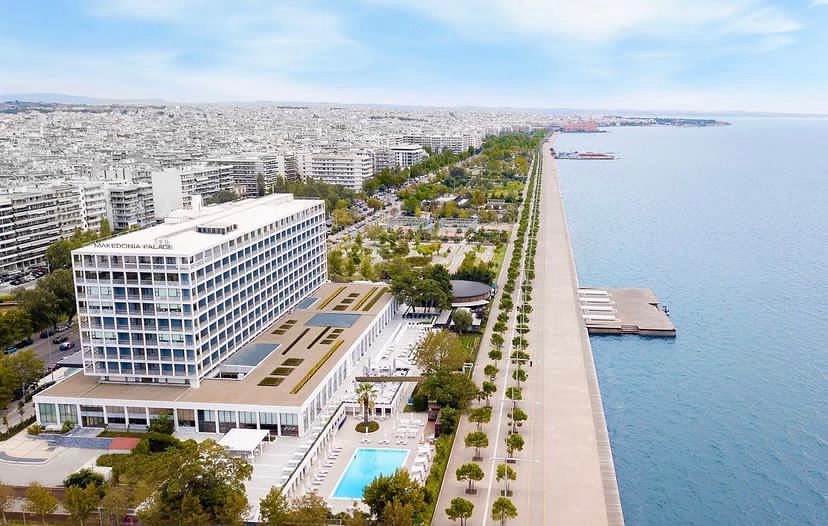
The place to stay is the modern 276 room Makedonia Palace Hotel that’s right on the seaside promenade with water views and quality service and a convenient walk to many of the city’s sights. After several weeks of traveling, often in small hotels and apartments, we much welcomed the resort features including a large swimming pool with lounge chairs and cabanas, a gym and hammam with spa services.
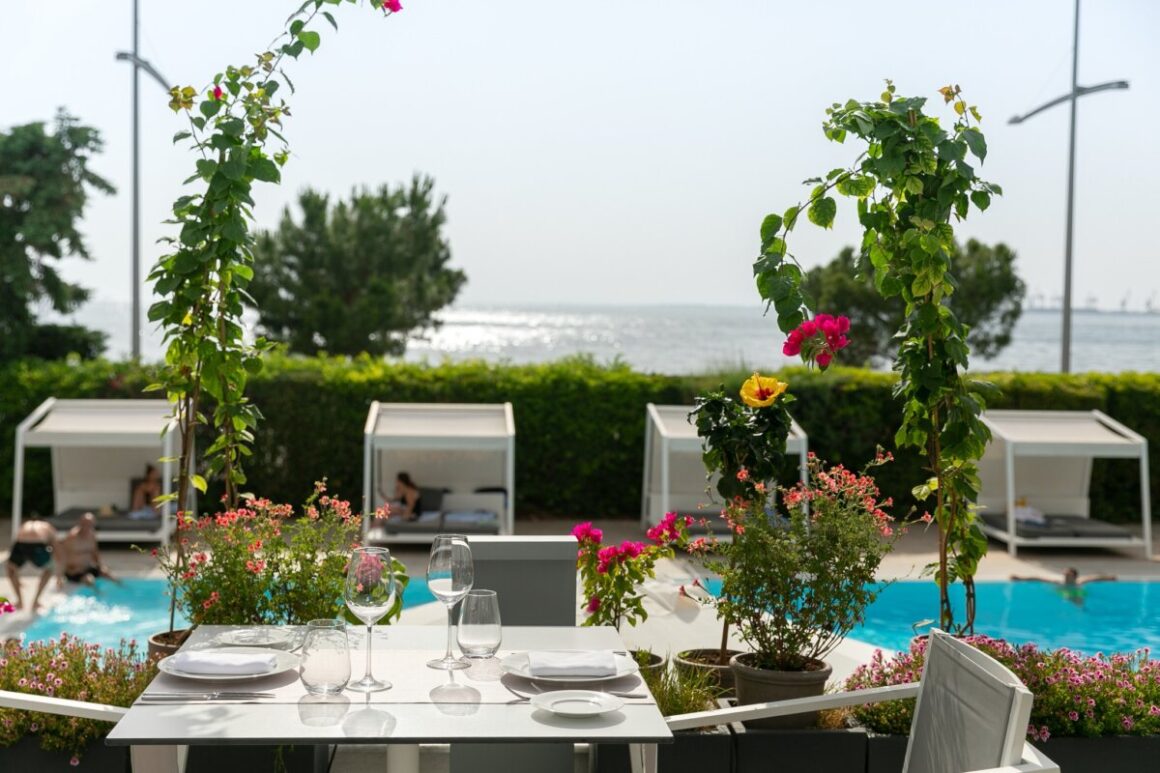
We had an ideal routine – gym in the morning followed by sightseeing, then a swim late afternoon and a spa treatment at the end of our week long stay. And how could I forget their incredible breakfast which you’ll read about in my post on food in Thessaloniki. The offering rates among the best hotel breakfasts I’ve enjoyed in my years of travel. Plus, the fine restaurant also rates among the best in the city and the spacious attractive bar.
Note: Special thanks to the Thessaloniki Tourism Organization for hosting my food and fashion tours and for use of much of the photography in all of the posts.


One Response
Beautiful