By Johnny Livanos and Irene Moore
Greek wine greatly deserves to be better known and found on leading restaurant menus. I seldom see it on wine lists except in Greek or Eastern Med restaurants, and then there are may be one or two selections, usually white. Summertime is a great time for Greek white wine in particular, with the variety, their flavors and aromas. So in honor of summer I asked two experts to do a quick guide to Greek wines, addressing questions like types, regions, rating system, and aging and more. Hope you find it useful and, as they say in Greek, “Yamas” which is short for “Stin Yeia Mas” which means “to our health”. – Karen
By Johnny Livanos and Irene Moore
What are the regions of Greece that produce wines?
Greece is one of the most exciting wine producing countries. Wine producers grow interesting, indigenous grape varieties, and produce spectacularly delicious wines ALL over Greece. There are 33 PDO (Protected Designation of Origin) appellations in Greece. Wine with a PDO designation is produced with one or several of the 300 indigenous Greek varietals historically grown and produced within a specific region. PDO wines also must follow certain rules and regulations regarding the winemaking practices to offer continuity amongst producers.
There are also over 100 PGI (Protected Geographical Indication) regions, spanning from the Greek mainland to the Greek Islands. The PGI designation reinforces concepts of authenticity and typicity of these wines, with specific geographical boundaries and varietal compositions set.
Which are considered the best for wine?
This is a very subjective question, and it all depends on what type of wines you like! Greece has an amazing array of microclimates, soil types, elevations, and sun exposures, producing all types of wines. Winegrowers produce wines depending on their area’s winegrowing tradition, their goals, and consumer preferences.
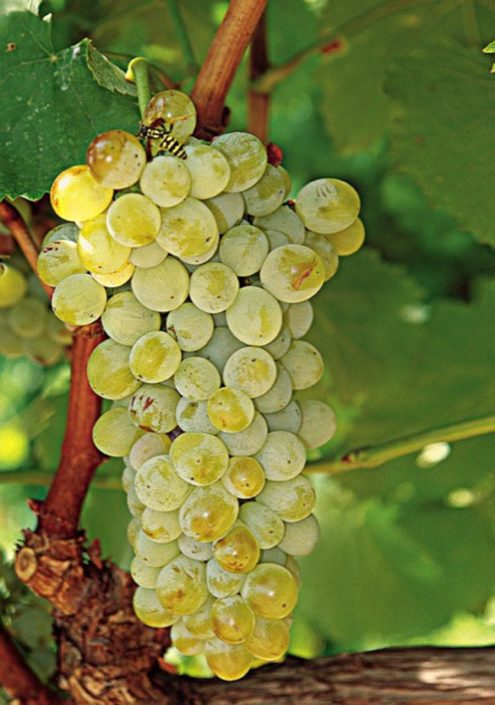
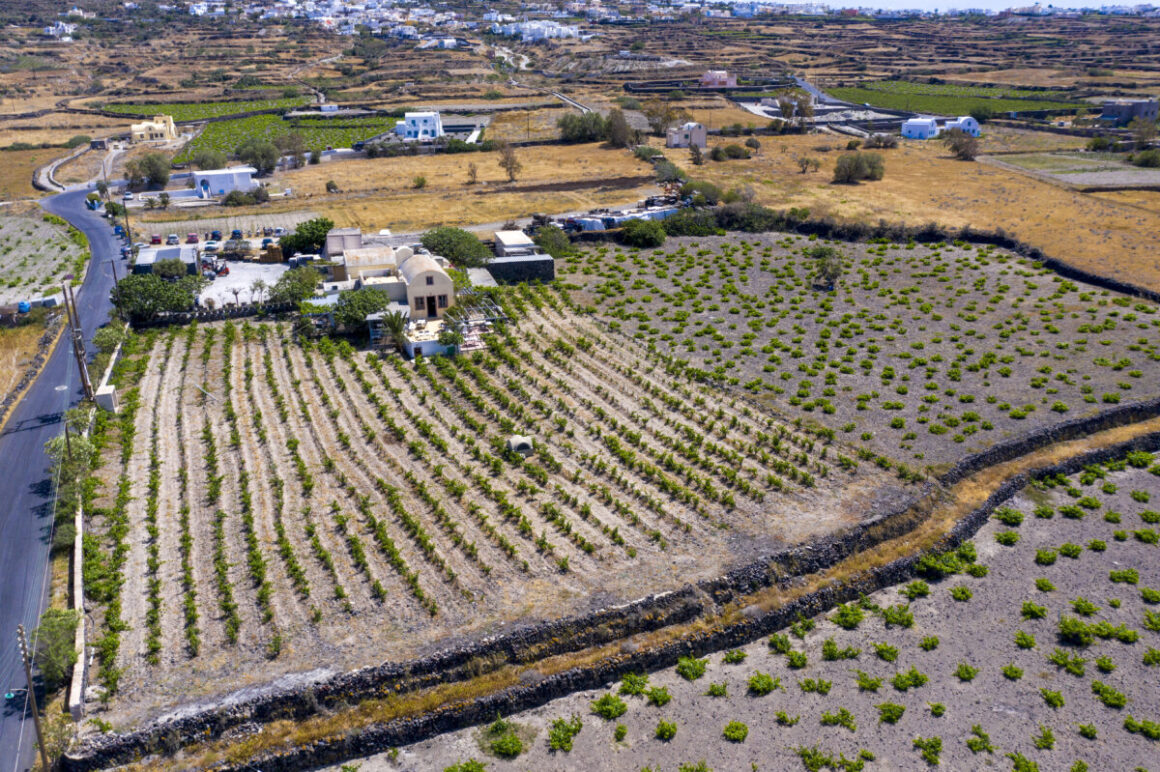
For people who love racy, crisp, mineral-driven whites, the Aegean Island of Santorini is home to some of the most delicious minerally, citrusy wines made from the native Assyrtiko (ass-ear-teek-o) varietal. The best-known Greek grape, Assyrtiko opened the doors to Greek wines in the international market. This hardy grape grows in Santorini’s sandy, volcanic soil–where almost nothing else will grow–and the vines are shaped into basket-like formations close to the ground to protect them from Santorini’s fierce winds.
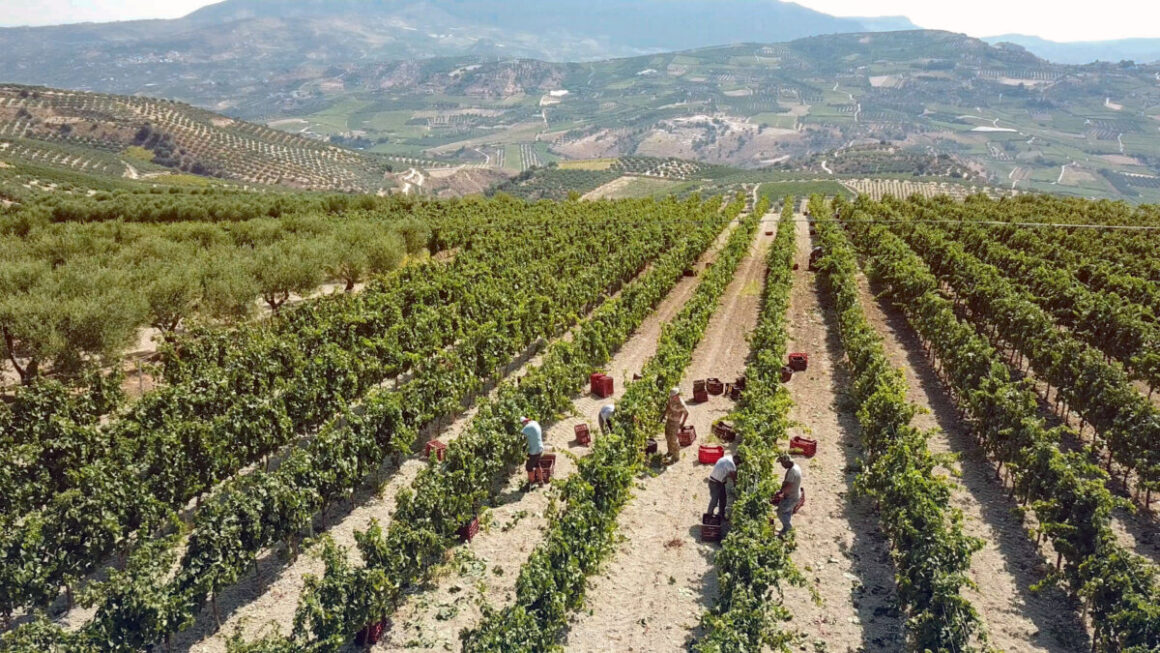
If you enjoy bright, aromatic whites, then try the wines made from Moschofilero (mos-ko-fi-ler-oh) grapes from Peloponnese, a region in southern Greece. The grapes produce light-bodied wines with high levels of acidity and low alcohol in both still and sparkling styles.

Savatiano from Attica is an ancient (c. 2500 years old) white wine grape that originated in Greece. Attica is the region encompassing Athens and its surrounding area. Though not well known by its name outside Greece, it is in fact the most-planted white-wine grape in the country. That’s because a lot of it is used as bulk wine to make cheap Retsina and other low-priced wines for everyday consumption in Greece. Modern winemaking techniques have led to an increase in production of well-made, dry Savatiano wines, increasing their popularity.
Vidiano from the island of Crete is another amazing indigenous white grape varietal. Vidiano wines are medium- to full-bodied, with fresh acidity and fruit and herb aromas. The variety is said to have been almost extinct 25 years ago, but Cretan wine authorities claim, “young wine makers have revived it.” (Note from Karen – Want to go on a great wine tour and tasting and enjoy my favorite Greek island, check out my blogpost on Crete. Click here)
While Greece is better known for its white wines, there are a lot of great options for reds too. In northern Greece, Xinomavro (cazee-no-mav-roe) is the main red wine grape of Náoussa in Macedonia, the heart of Xinomavro production. Xinomavro means “Acid Black” in Greek, giving you an idea of its flavor and tannic structure. The full-bodied wines are often compared to Italy’s Barolo. The grape typically creates not only age-worthy reds with bright acidity and strong tannins, but also some of the best rosés.
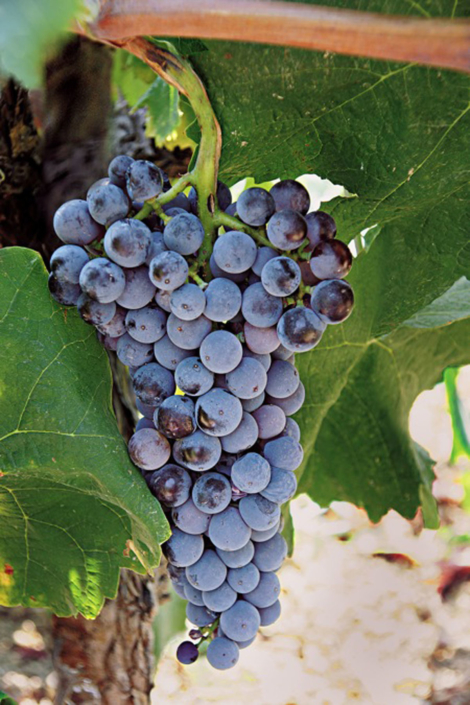
In Rapsani in Thessaly, known for its reds, Xinomavro grapes are grown in the rocky soil on the slopes of Mount Olympus, home of the gods in Greek mythology. Xinomavro is often blended with other reds, maintaining is dominant spicy flavors of raspberry, anise, fennel, cherry and occasionally notes of olive or tomato. If you’re a fan of Rhône blends, you’ll love Rapsani.
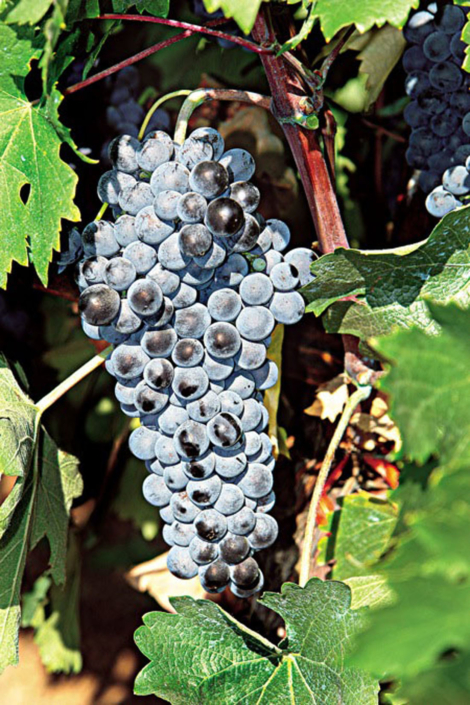
Agiorgitiko, (“ash-ee-or-shee-teeko”)–“Saint George’s grape”–is known for producing fantastic full-bodied reds with black cherry flavors. It’s considered to be the best quality red grape grown in the Neméa region of Peloponnese, where it produces age-worthy wines comparable to Bordeaux Cabernet Sauvignon.
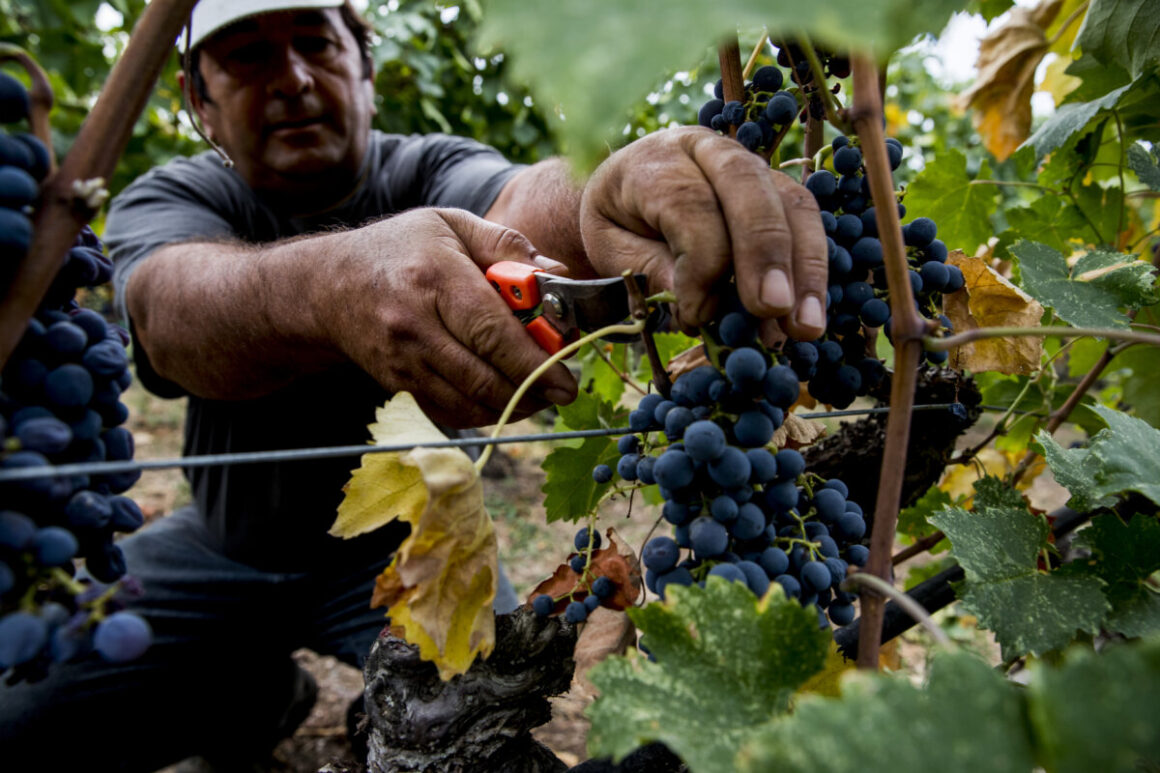
The Aegean Island of Límnos is home to an ancient red variety called Limnio, which has bright notes of raspberry fruit and herbs. This wine has been around for 2,000 years and was already growing when Aristotle founded his Lyceum in Athens. Limnio also grows in Northern Greece, where it’s often blended with small amounts of Cabernet Sauvignon and Syrah, resembling Bordeaux reds.
On Crete, the Cretan native red grapes Kotsifali and Mandilaria are often blended with non-native grapes such as Syrah. The result is fruity wines with softer tannins, red and black fruit flavors, and notes of cinnamon and allspice.
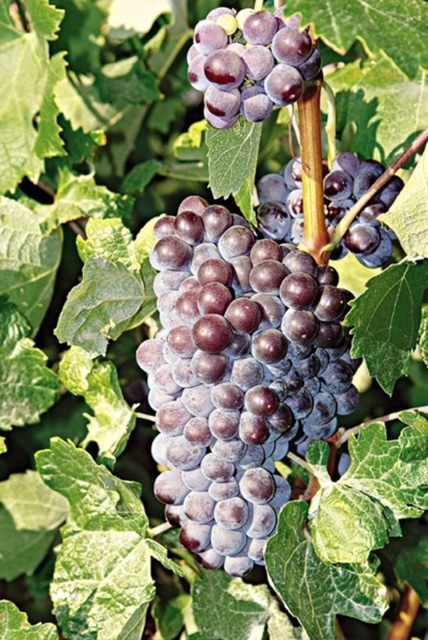
Mavrodaphne is a red wine grape variety grown in Peloponnese. It means “black laurel,” because of the berries’ resemblance to those of the laurel, though there are rumors in the wine’s history about a lover named Daphne. It’s blended with Black Corinth currant grapes and aged in the Solera style, resulting in a delicious, prized dessert wine, almost opaque dark purple. Mavrodaphne ends the meal with aromas and flavors of caramel, chocolate, coffee, raisins, and plums.

Is there any government or regional organization that rates Greek wines? In other words, what do you look for on the label to signify quality and superior product?
When looking to find quality wines, it’s all about trusting the reputable producers and importers. There are no rating organizations in Greece.
Where can people buy Greek wines in South Florida
Greek wines are distributed in a variety of stores! Many independent retail shops carry them, as well as Total Wines.
Do you drink Greek wines young or age them? Explain.
This depends on the type of wine. Reds like Agiorgitiko and Xinomavro have a lot of aging potential. The high-acid whites of Greece can also age and develop in the bottle but are also fantastic to drink young. Most of the wines are fantastic when released and ready to be consumed right away, but you’ll be in for a nice treat if you have some patience to cellar them for a while.
Johnny Livanos is a third generation Greek-American restaurateur, Greek wine expert representing a number of leading wineries from Greece as part of Diamond Wine Importers, and founder of Stray Dog Wild Gin, inspired by the untouched mountains in northern Greece.
As part of a proud New York family that owns and runs several acclaimed venues in Manhattan and Westchester NY, such as Oceana, Hudson West Kitchen + Craft Bar, Molyvos and Moderne Barn, Johnny has spent years running Greek restaurants and selling Greek wine and spirits. As part of this journey, Johnny gained a tremendous knowledge and passion for sharing the joys of Greek wine with the world.
About Irene Moore:
Irene Moore is a journalist and content creator who specializes in writing about food, wine, and wine regions around the world.
She’s a certified sommelier with an Advanced Mastery of Wines Certification from FIU School of Hospitality and Tourism Management; a certification in Hospitality and Tourism Management at FAU; and a certification in The Wines of Bordeaux from L’Ecole du Vin de Bordeaux.
She is a two-time Fellowship award winner at the Symposium for Professional Wine Writers at Meadowood Napa Valley (2017, 2020), whose recipients are writers who have demonstrated professional commitment to writing about wine.